A Record-Based Starting Point
Maintenance logs and repair invoices help identify recurring areas before work is specified. The inspection then checks those records against current roof conditions.

Commercial Roof Coating Service Area
Make Your Verde Village Roof History Part of the Plan. Commercial roof work starts with the record already in your hands. We review maintenance notes, repair history, leak reports, and visible roof conditions to determine which areas may be ready for coating and which need a different scope.
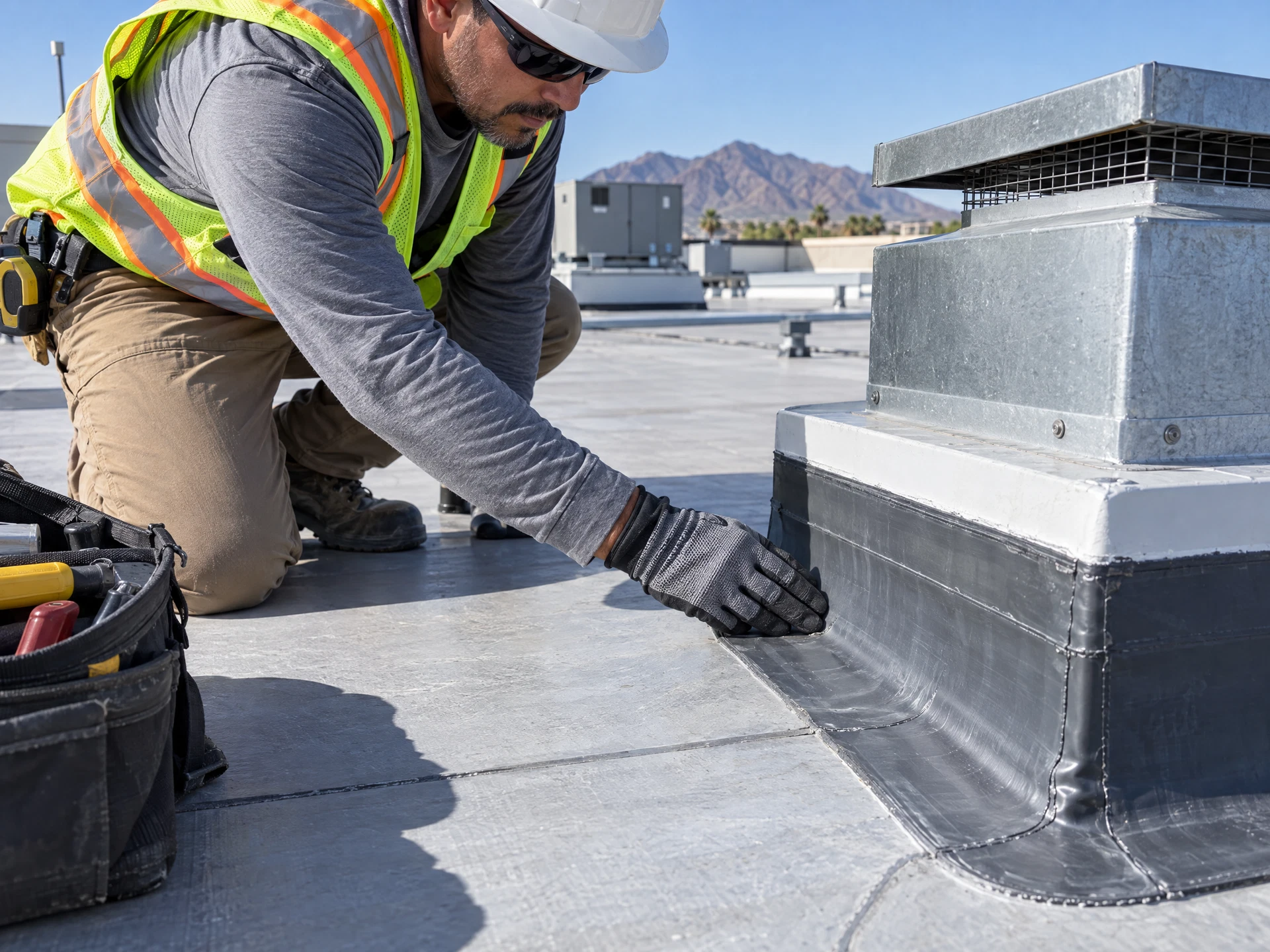
A roof file can show patterns that a single visit cannot. Previous repairs may identify recurring trouble at seams, penetrations, drains, edges, or fasteners. Maintenance notes can show when water entered, what was patched, and whether the same area has required attention more than once. Bring those records into the inspection so the current roof is judged in context.
The goal is a clear coating-readiness decision for your commercial property in Verde Village. A coating system belongs on a suitable roof assembly with a sound substrate, clean and dry surfaces, repaired defects, and confirmed product compatibility. Coating does not correct structural damage, active water intrusion, poor drainage, or an unresolved source of moisture.
We separate documented history from assumptions. Our review considers roof type, condition, details, drainage, moisture, previous materials, and the repairs that have already been made. That gives building owners and facility managers a practical basis for deciding whether to prepare for a coating system, complete more repairs first, or plan for another roof scope.
Records also help the people responsible for the building explain the roof to everyone involved in the decision. A facility manager can point to the areas that have needed repeated service. An owner can see which work addressed a symptom and which work addressed a roof detail. That shared record keeps the inspection focused and gives later maintenance a clearer reference point.
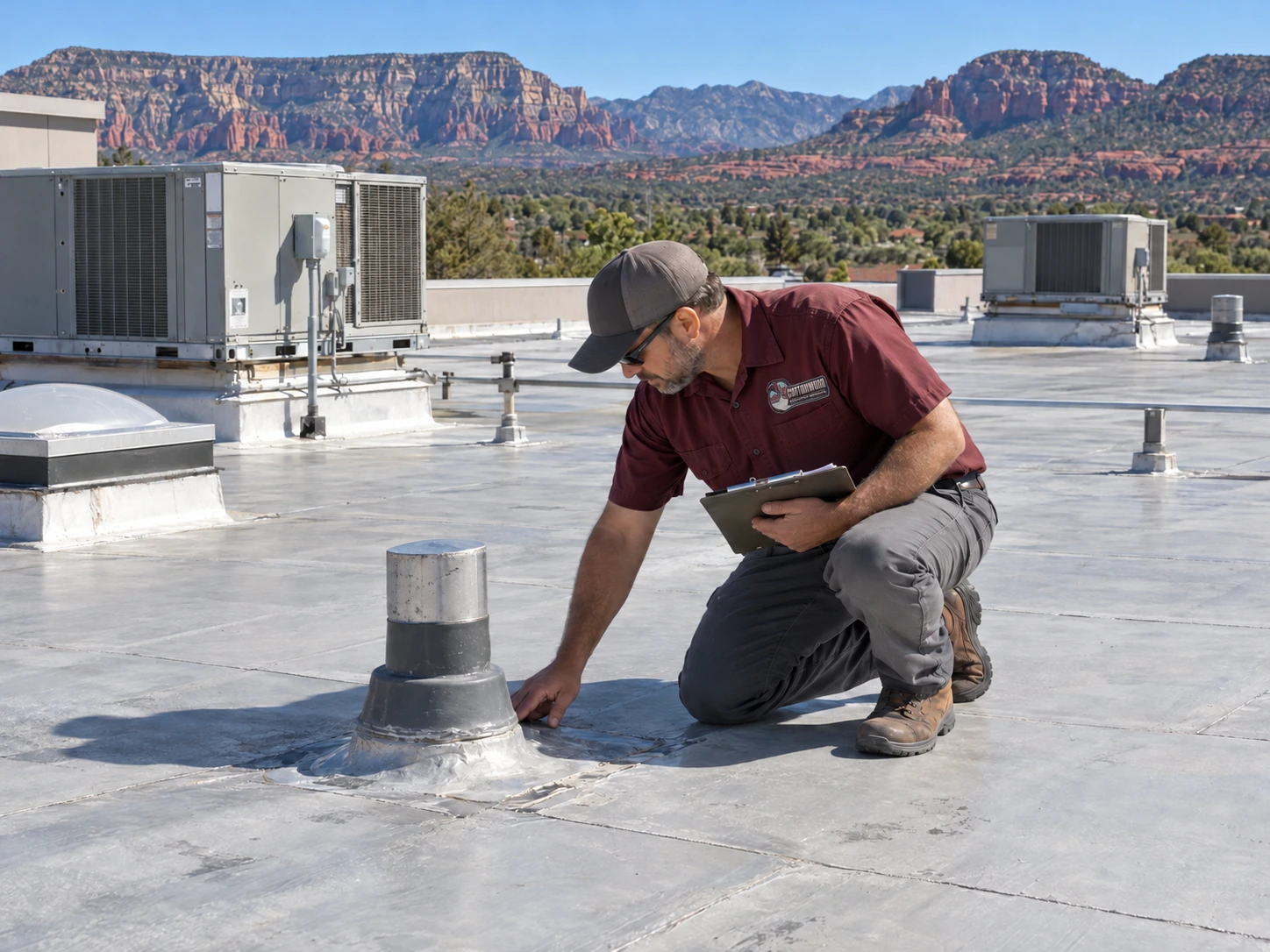
Maintenance logs and repair invoices help identify recurring areas before work is specified. The inspection then checks those records against current roof conditions.
A coating plan needs a defined repair scope. Documenting failed details, wet areas, damaged materials, and drainage concerns keeps coating from being treated as a cure for defects it cannot address.
Previous coatings and roof finishes affect preparation, adhesion testing, primer selection, and system compatibility. Those facts belong in the system decision.
A written sequence helps owners coordinate access, occupants, maintenance staff, rooftop equipment, and weather-sensitive work around the roof condition that was actually found.
Verde Village roof records should set up the inspection, not sit in a folder after the work is chosen. Bring dated leak reports, service invoices, photos, prior inspection notes, warranty or product information, and a roof sketch that identifies the actual area. A patch at the same penetration or drain on several dates calls for a closer look at that detail and the surrounding assembly. A repair that held for years may support a different scope from one that returned after the last rain. We use those distinctions to define what is being investigated, what access or protection the visit requires, and which repairs need a documented boundary before any coating category is selected. The address does not determine readiness; the sequence recorded for each area does.
Once the history is matched to current conditions, the readiness question becomes specific to each roof area. We look for evidence that the substrate is sound and dry, that prior leak sources and failed details have been addressed, and that the proposed product can bond to existing materials. Moisture findings, drainage concerns, coating or sealant layers, and repairs that cannot be verified remain scope items rather than being covered over. A silicone or acrylic system may be part of the recommendation when its product requirements fit the documented assembly and preparation plan; neither system fixes active water entry, poor drainage, or unsuitable material. On metal areas, corrosion, fasteners, seams, panel movement, and finish compatibility belong in the same record so later maintenance can tell preparation from coating performance.
If the Verde Village roof file is incomplete or contradictory, the responsible option may be more investigation before application. We can map recurring leak locations, confirm repairs in the field, assess moisture and adhesion where appropriate, and separate coating-ready areas from wet, unstable, structurally concerning, or otherwise unresolved areas. A prior spray-foam roof or an installed shingle roof also needs system-specific review; field treatment is not assumed from the material name. The result should identify the selected scope, preparation tasks, exclusions, and the record updates the building team will keep after the work. That gives an owner or facility manager a usable basis for repair, coating, or replacement planning and leaves the next inspection with a clearer history than the last one.
We examine the roof assembly, seams, penetrations, edges, drains, fasteners, visible damage, moisture indicators, and existing finish. We compare those findings with available maintenance and repair records.
We sort past leak reports, patches, service notes, and recurring work by roof area. The purpose is to distinguish an isolated repair from a pattern that needs a broader investigation.
Open defects, wet materials, drainage concerns, unstable substrates, and failed details need attention before coating. We mark the boundary between preparation work and conditions that call for a different roof scope.
The roof must be clean, dry, sound, and compatible with the proposed system. Depending on the assembly, that review can include moisture assessment, adhesion testing, detail preparation, and primer requirements.
We lay out the work sequence around access, rooftop equipment, occupants, maintenance responsibilities, protection needs, and application conditions. The plan follows the documented roof condition.
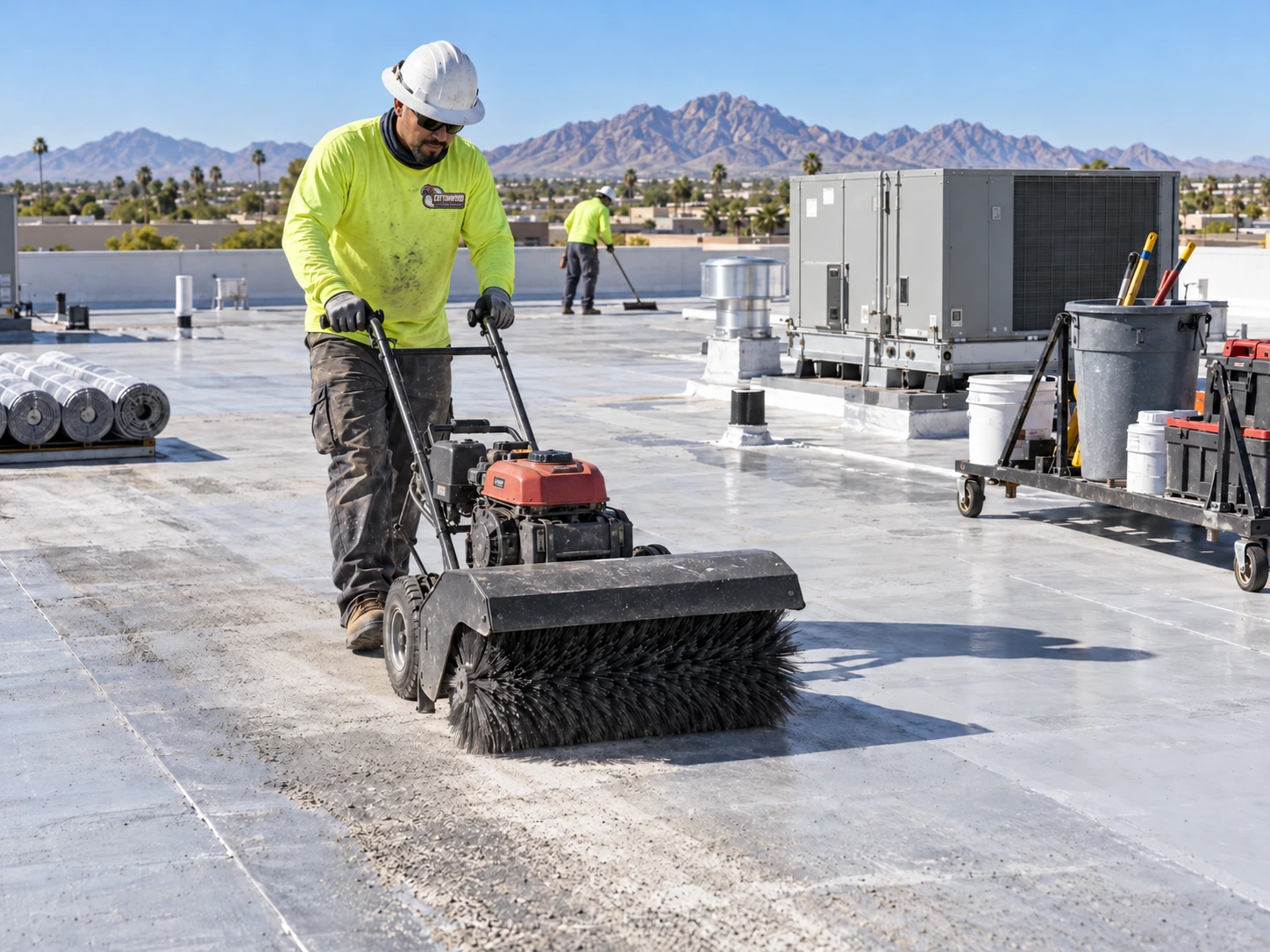
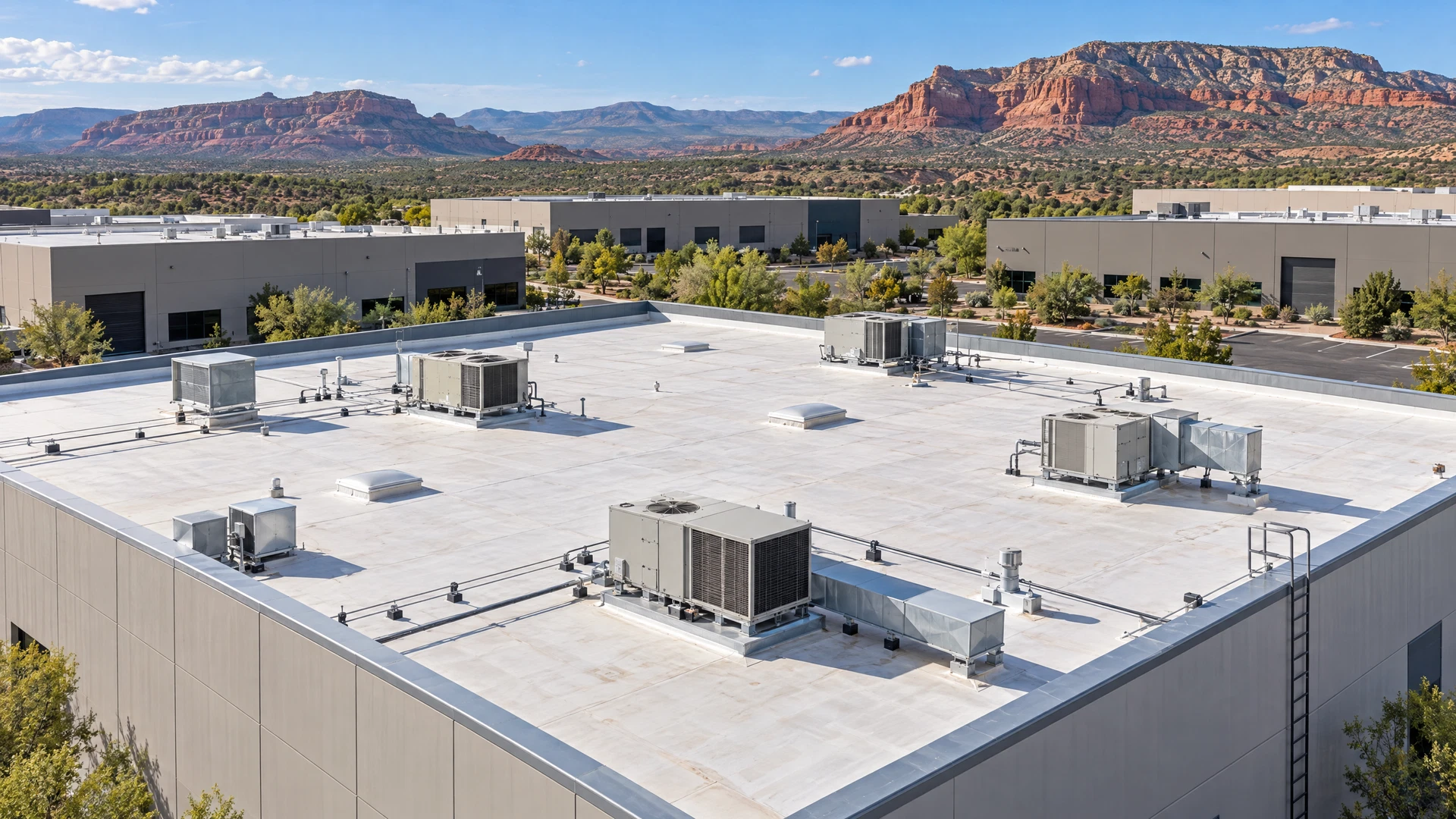
Owners and facility managers often inherit roof information from several sources. Keep inspection reports, invoices, leak logs, photographs, warranty documents, and product records together. Dates matter because a repair that held for years tells a different story from a patch that was repeated last season.
Share the records before the roof is prepared. They can direct attention to concealed transitions, repaired penetrations, recurring leak locations, and areas where a previous coating or sealant may affect adhesion. They also help the building team explain what has changed since the last service visit.
Plan for a decision after inspection, not a coating promise before inspection. If the roof is suitable, the work plan can address cleaning, repairs, drying, testing, details, application conditions, and maintenance follow-up. If it is not suitable, the same documentation supports a repair or replacement conversation with a defined scope. Organize the roof file by location as well as date. A sketch, roof plan, or simple photo key can connect a repair invoice to the actual curb, drain, edge, or seam where work occurred. That makes the record more useful during inspection and after application. It also helps a new facility contact understand which areas have been repaired, which remain under observation, and which details must stay visible during later maintenance. A current location key keeps those records usable during future roof reviews.
Fit depends on the roof assembly and its current condition. We review the substrate, drainage, moisture, existing materials, prior repairs, and finish compatibility. A roof with unresolved active leaks, structural concerns, wet materials, or incompatible surfaces may need repair or another scope before coating is considered.
Gather inspection reports, maintenance logs, leak reports, repair invoices, photographs, warranty documents, and records of previous coatings or sealants. The most useful details identify the roof area, the date, the observed problem, the repair performed, and whether the issue returned.
Preparation depends on the roof system. In general, the surface must be clean, dry, sound, repaired, and compatible with the selected product. Work may include detail repairs, moisture assessment, drying, adhesion testing, primer, and protection of building systems affected by the work.
System choice follows the roof findings and product requirements, not the location name alone. We document the proposed preparation and repair sequence so the building team can coordinate access, occupants, rooftop equipment, maintenance duties, and suitable application conditions.
Commercial Roof Planning
For Verde Village commercial properties, begin with maintenance records, repair history, and coating readiness. Use the estimate path for an initial planning range or call to discuss the building and roof conditions directly.