A Clear Preparation Sequence
You can see what happens first, what must be repaired, and what must be verified before material is applied. That order helps your team coordinate roof access and building operations.

Commercial Roof Coating Service Area
Plan Cornville Roof Coating Around Preparation and Compatibility. Commercial roof coating starts with a documented sequence. We inspect the roof assembly, record conditions, confirm product compatibility, and define preparation before a coating system is selected for your building.
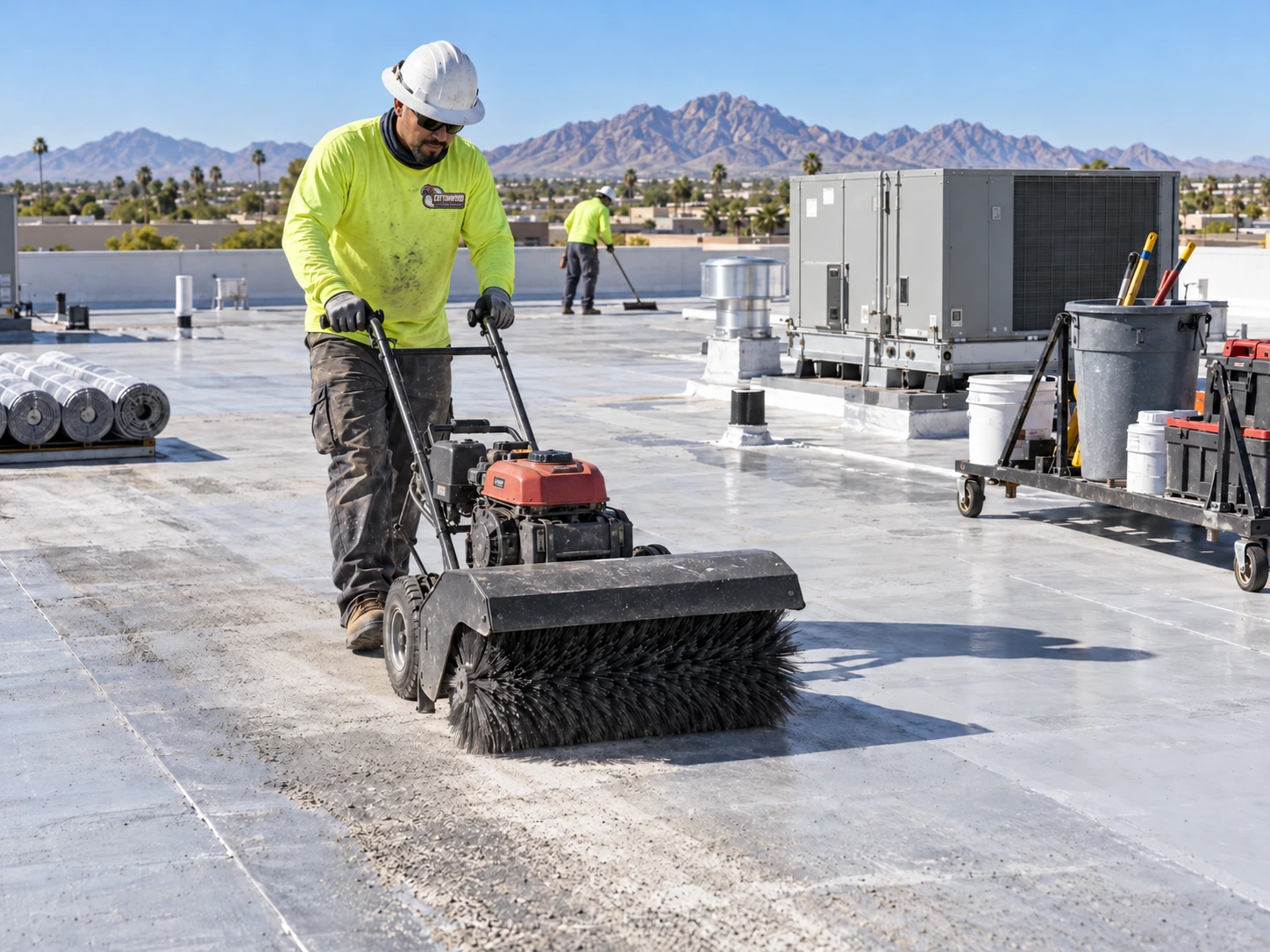
Property owners and facility managers in Cornville need a roof plan they can review before work begins. The roof may include several substrates, previous repairs, aged finishes, penetrations, seams, fasteners, or areas that hold moisture. Each condition affects preparation and the products that can be considered.
Our first job is to separate observable roof conditions from assumptions. We look at the roof surface, drainage, details, repairs, and areas of moisture. For metal roofs, that includes corrosion, fasteners, seams, panel movement, and the existing finish. For low-slope systems, it includes substrate condition, wet areas, and the details that must be repaired before coating.
Documentation keeps the work sequence clear. A useful record identifies the roof areas reviewed, repairs required, surfaces that need cleaning or drying, adhesion or compatibility checks, and any locations that require a different scope. That record gives the building team a practical basis for discussing access, timing, and system selection.
Coating is considered after the roof is ready for it. A clean, dry, repaired, and compatible surface gives the selected system a defined starting point. If a section needs repair or replacement, that boundary belongs in the plan before coating work is scheduled.
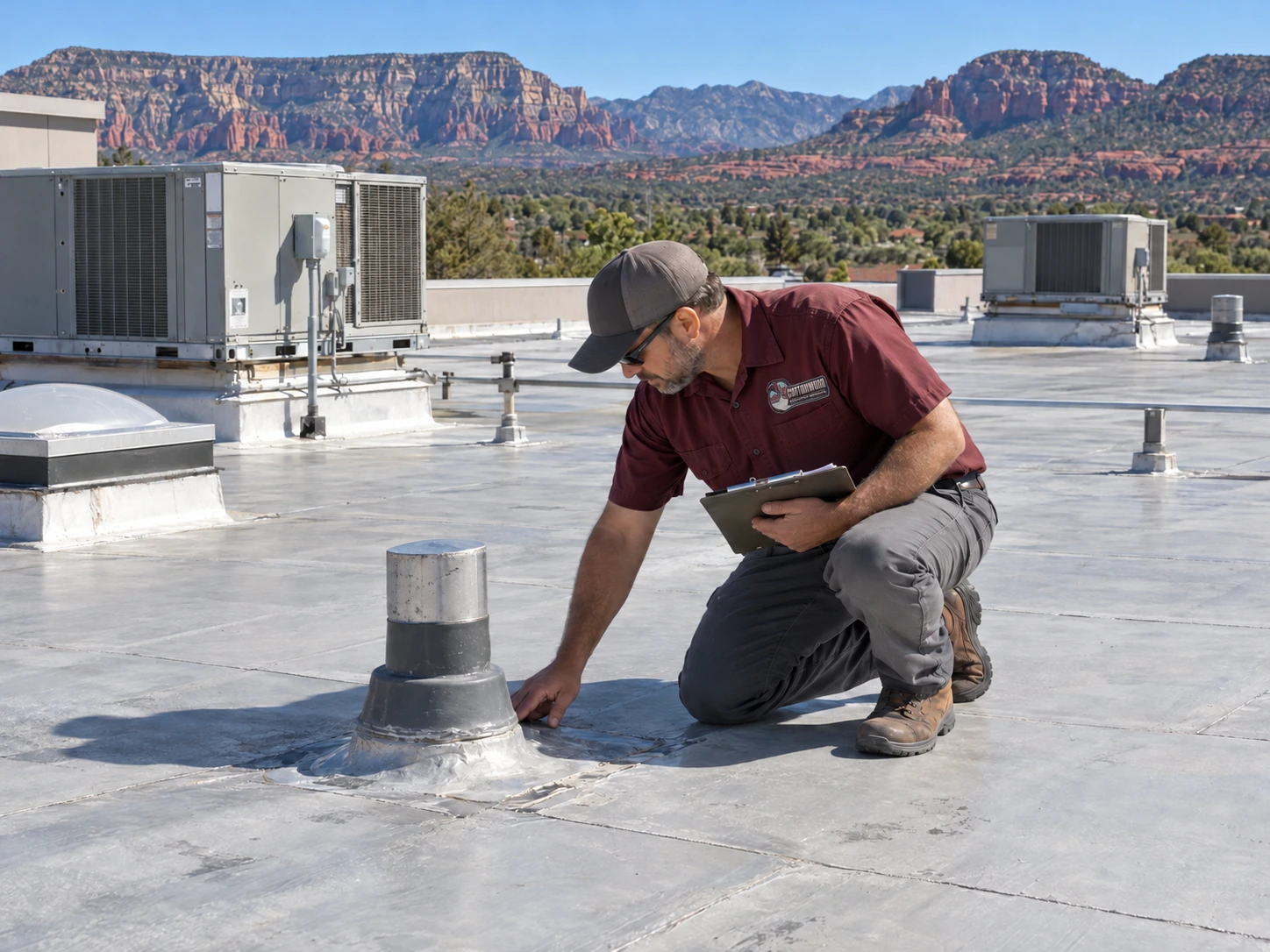
You can see what happens first, what must be repaired, and what must be verified before material is applied. That order helps your team coordinate roof access and building operations.
Existing finishes and substrates can affect adhesion and system choice. Written compatibility notes keep the selected coating tied to the roof conditions reviewed during planning.
The inspection can identify areas that need repair, drying, detail work, or a separate recommendation. Those boundaries keep coating from being treated as a cure for structural or water-intrusion defects.
Owners and facility managers receive a roof-focused sequence they can use when arranging access, communicating with occupants, protecting equipment, and setting a workable work window.
For a Cornville commercial building, the first option decision is procedural: which roof sections can follow the same preparation sequence, and which cannot. Start a section-by-section register that ties each area to its substrate, previous coating or repair, moisture finding, drainage condition, and required detail work. That record keeps a metal area with corrosion, loose fasteners, seam movement, or a factory finish from being grouped with a different assembly by convenience. It gives the facility manager a written checkpoint: complete the needed repair or drying, verify the surface can accept the proposed system, then release that section for application. The sequence matters more than a product label when one Cornville roof carries mixed conditions.
Compatibility documentation should connect the roof evidence to the product decision. For a metal section, record the finish type and whether corrosion, fasteners, seams, panel movement, moisture, and drainage findings have been addressed; Kynar or Hylar-type finishes need specific review. For low-slope areas, document moisture-scan findings, drying, repairs, and adhesion results before weighing silicone or acrylic. Acrylic detail work may be needed where asphaltic material could bleed through. If spray foam enters the scope, log substrate security, primer selection, application controls, overspray and HVAC protection, and the protective topcoat plan. These dependencies do not make a named system a remedy for defects.
The final Cornville scope should show readiness and hold points, not just a material name. Keep areas with active leaks, unresolved moisture, drainage concerns, structural issues, or unsuitable existing materials in a repair or replacement track until they are separately resolved. Installed asphalt shingles deserve a narrower gate: obtain written shingle-manufacturer compatibility and applicable code review, then state whether repair or replacement is the more appropriate scope. For the building team, a useful options record identifies the evidence reviewed, the adhesion or compatibility checks still required, the areas excluded from coating, and the dependency that releases each section for work.
We review the roof surface and assembly, including drainage, seams, penetrations, fasteners, repairs, finish condition, and visible signs of moisture. The inspection establishes which areas can move into preparation and which need additional review.
We organize findings by roof area and record the conditions that affect the work sequence. That can include corrosion, panel movement, wet insulation or substrate, surface contamination, previous coatings, detail failures, and areas outside a coating scope.
Preparation follows the documented conditions. Work may include cleaning, drying, replacing or securing failed components, treating seams and fasteners, repairing details, and addressing moisture sources. Coating is considered after the substrate meets the selected system requirements.
Existing finishes, substrates, primers, and repair materials are reviewed together. Product data and field checks guide the decision, including adhesion testing where appropriate. The goal is a recorded basis for the system choice rather than a generic product assumption.
The final sequence identifies ready areas, outstanding repairs, access needs, protection measures, application conditions, and follow-up checks. Your building team can use it to coordinate roof work with normal property responsibilities.
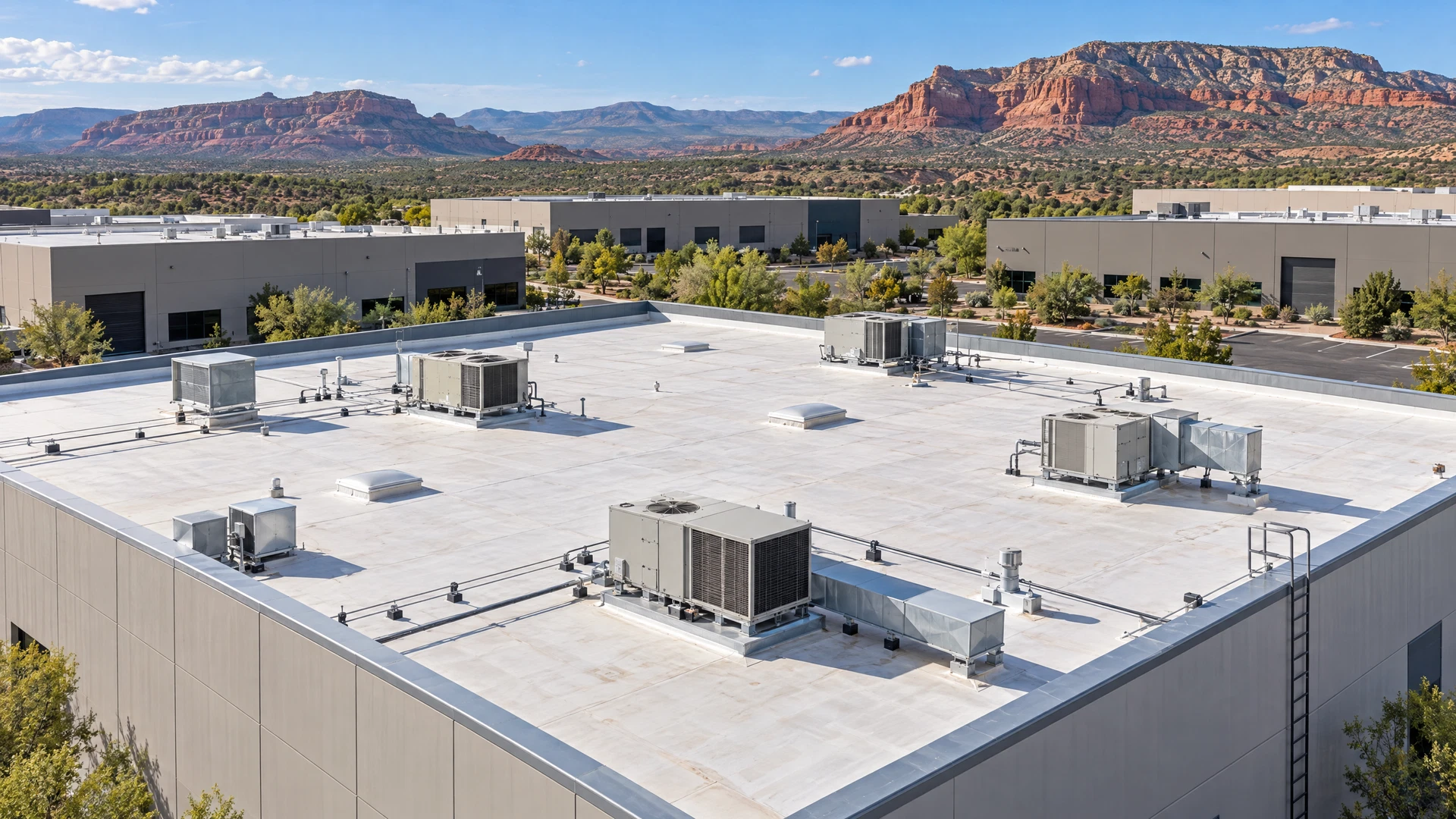
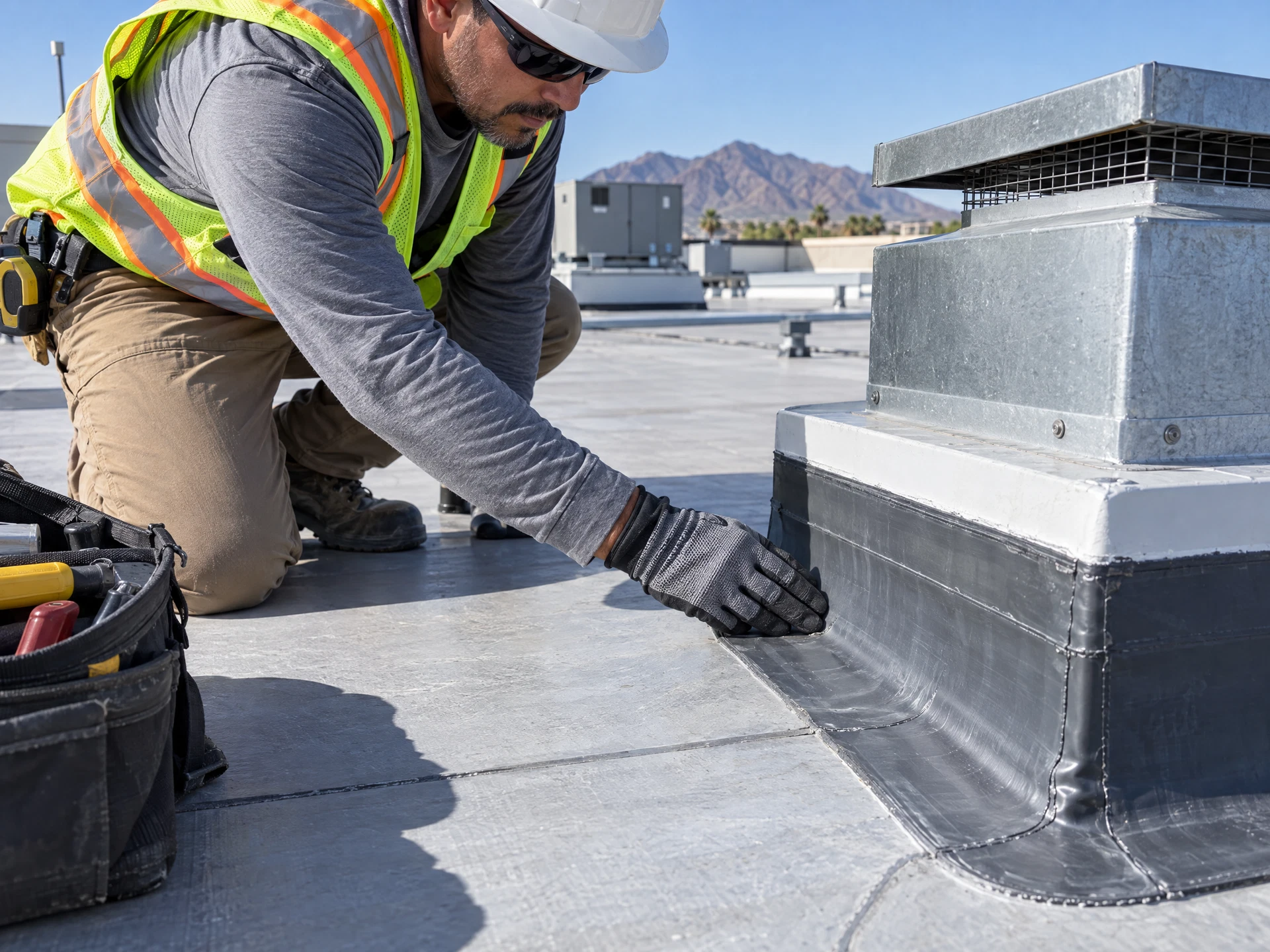
A commercial roof coating project affects more than the roof surface. Building owners and facility managers may need to coordinate roof access, occupants, deliveries, rooftop equipment, maintenance staff, and areas that require protection. The preparation record gives those conversations a defined starting point. It also helps identify which roof sections need to be completed before others can proceed.
Ask for the roof history that is available: prior repairs, past coatings, leak locations, maintenance notes, and records for installed roof materials. These documents do not replace an inspection. They add context that can help connect visible conditions with earlier work and focus compatibility questions on the materials actually present.
The work window should follow roof readiness and product requirements. Surfaces may need time to become clean and dry. Repairs may need to be completed before testing or application. Selected materials also have application conditions and protection requirements. A sequence that records these dependencies gives your team a more usable plan for the building.
Fit depends on the existing roof assembly and its condition. The review should cover the substrate, drainage, moisture, repairs, details, existing finish, and the requirements of the proposed system. A roof with unresolved structural issues, active water-intrusion defects, or unsuitable materials may need repair or replacement work for part or all of the building.
The roof should be clean, dry, repaired, and compatible with the selected system. Preparation may include correcting drainage or moisture concerns, securing or repairing roof components, treating seams and fasteners, and completing detail work. Coating should follow the documented repair and preparation sequence.
System choice follows the roof material, existing finish, substrate condition, moisture findings, repair materials, and product requirements. Compatibility documentation and adhesion testing can help confirm the selection. Metal, silicone, acrylic, spray foam, and shingle conditions each require their own review; no single system fits every roof.
Start with the documented roof sections and preparation dependencies. Use them to coordinate access, occupant communication, equipment protection, maintenance responsibilities, and the application window. The sequence should show which repairs, drying time, testing, and site controls need to occur before each area is ready.
Commercial Roof Planning
For Cornville commercial properties, begin with preparation sequence and compatibility documentation. Use the estimate path for an initial planning range or call to discuss the building and roof conditions directly.