Commercial Roof Answers

Cottonwood Commercial Roof Coating FAQs

Direct answers about coating fit, roof condition, weather, repairs, drainage, permits, building operations, and maintaining a coated commercial roof.

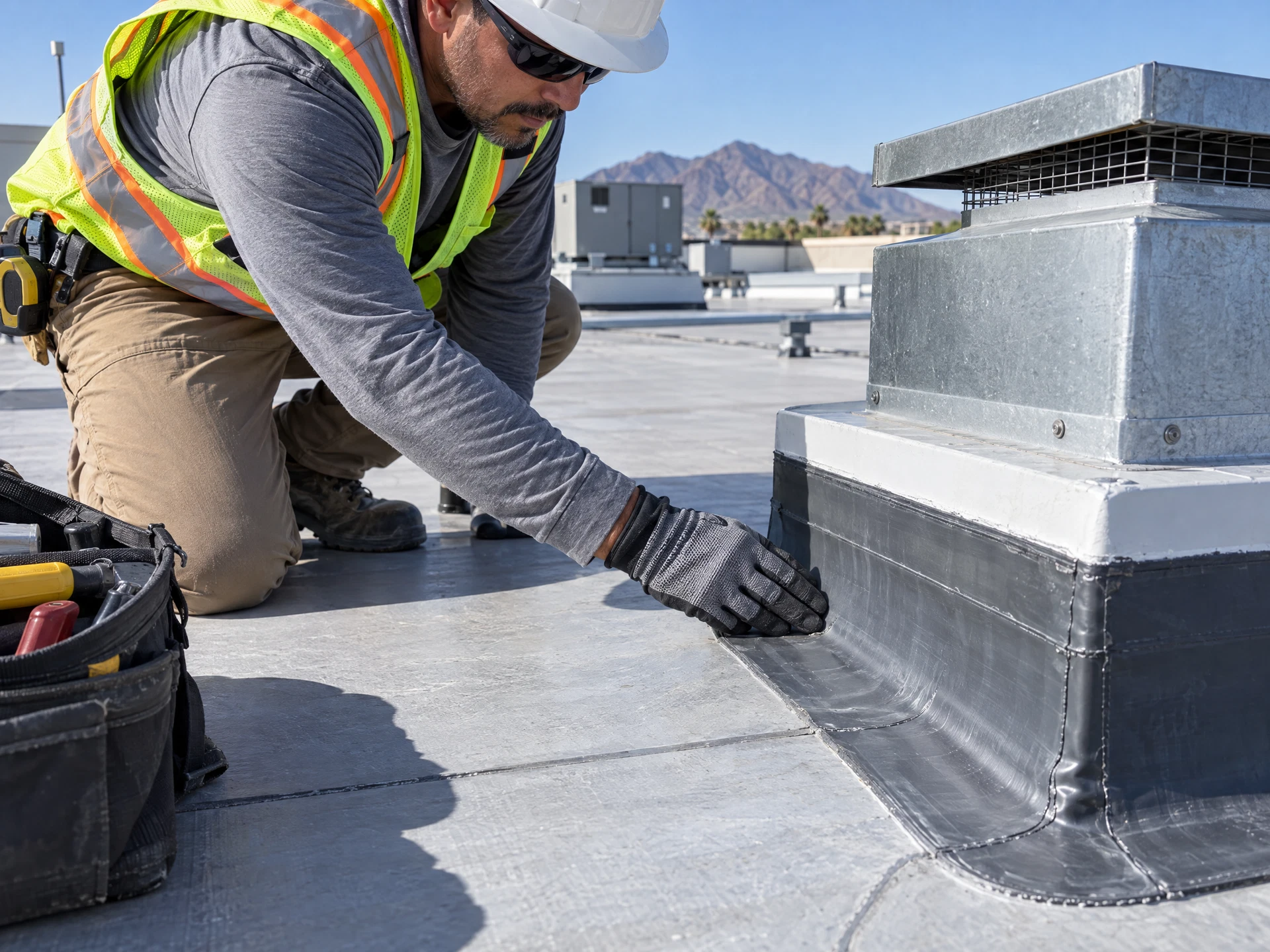
Commercial roof detail under inspection

Use The Roof Questions That Match Your Building

The supplied Cottonwood Commercial Roof Coating FAQs are organized around the questions that shape a real commercial roof decision. They cover what coating can do, how the roof is inspected, how system choices differ, and which repairs or building controls belong before application.

The answers use qualified language because a coating system depends on the existing roof assembly and its condition. Damaged decking, wet insulation, drainage problems, open seams, failed details, incompatible surfaces, and other conditions may require repair, testing, or another roofing path before coating is considered.

Match the question to the roof system, repair boundary, building access, and operating schedule. A preliminary planning comparison can help frame coating and replacement discussions, but it does not replace an inspection or establish a final scope.

Commercial Roof Coating Basics

What Does Commercial Roof Coating Actually Do?

A roof coating adds a protective layer over an existing commercial roof that is still in suitable condition. Depending on the system, it can help protect against sunlight, rain, and normal weather exposure. It does not replace damaged decking, wet insulation, or roofing that has already failed.

How Do I Know if Coating Makes Sense for My Building?

We start by looking at the condition of the existing roof. We check for leaks, damaged areas, loose materials, standing water, old repairs, and signs of moisture underneath. If the roof is still a good base for restoration, coating may be worth considering. If the damage is too widespread, we will not treat coating as a shortcut around needed repairs.

Is Roof Coating Only for Flat Commercial Roofs?

No. Coatings can be used on several commercial roof types, including low-slope membranes, metal roofing, and some spray foam systems. The right product depends on the roof material and its condition. We do not use the same coating system on every roof.

Can You Coat Only Part of a Commercial Roof?

Sometimes. A roof may have one section that needs restoration while another section is still performing well. We look at how the sections connect and whether a partial coating would leave a proper transition. In other cases, coating the full roof may make more sense.

Inspecting Your Roof

What Do You Look for Before Recommending a Roof Coating?

We look at the roof surface, seams, flashing, drains, penetrations, repairs, and areas around rooftop equipment. We also look for soft spots, loose material, cracking, rust, or other signs that something underneath may need attention.

Does an Old Roof Automatically Need Replacement?

No. Age matters, but condition matters more. An older roof that has been maintained and remains dry may still be suitable for restoration. A newer roof with wet insulation or widespread damage may not be.

What if My Roof Looks Fine but We Have a Leak Inside?

The leak still needs to be investigated. Water can enter at one point and travel before showing up inside the building. We do not recommend simply coating the area above the ceiling stain without checking the surrounding roof.

Can You Tell if There Is Wet Insulation Under the Roof?

Visible roof conditions can give us clues, but moisture beneath the surface is not always obvious. When needed, additional moisture testing may be recommended. Roof coating should not be used to trap known wet materials underneath. Roof Coatings Manufacturers Association

Commercial Roof Coating Options for Cottonwood

What Type of Roof Coating Works Best in Cottonwood?

There is no single best coating for every Cottonwood building. We consider the existing roof material, drainage, previous coatings, temperature conditions, and how much standing water the roof experiences. Silicone, acrylic, and other systems have different strengths.

When Might Silicone Roof Coating Make Sense?

Silicone may be considered for roofs where water resistance is an important concern, including roofs that occasionally experience ponding. The roof still needs proper drainage, though. A coating should not be used as an excuse to ignore clogged drains or low areas. Roof Coatings Manufacturers Association

When Might Acrylic Roof Coating Be a Good Option?

Acrylic can work well on compatible commercial roofs with good drainage. Because many acrylic coatings are water-based, installation conditions matter. They generally need suitable temperatures and enough dry weather to cure correctly. Roof Coatings Manufacturers Association

Can You Coat a Commercial Metal Roof in Cottonwood?

Yes, if the metal roof is still in suitable condition. We check for rust, loose fasteners, open seams, panel damage, and failed sealant before coating. Rusted-through or badly damaged panels may need repair or replacement first.

Cottonwood Weather and Roof Performance

Does Cottonwood’s Cooler Winter Weather Matter for Roof Coating?

Yes. Cottonwood gets colder winter nights than many lower-elevation Arizona cities. Application temperature matters because some coatings need minimum air and roof-surface temperatures to cure properly. We follow the product requirements rather than coating simply because the day is sunny. City of Cottonwood Building Division

Can Commercial Roof Coating Be Applied in Winter?

Sometimes, depending on the product and weather conditions. Some water-based coatings require temperatures around 50°F and rising, while other products may have different limits. We plan around the actual coating specifications and weather window. Roof Coatings Manufacturers Association

Why Are Temperature Changes Hard on Commercial Roofs?

Roofing materials expand when they heat up and contract when they cool down. Over time, that movement can put stress on seams, flashing, fasteners, and previous repairs. We pay close attention to those areas when checking whether a roof is ready for coating.

How Do Monsoon Storms Affect Commercial Roofs in Cottonwood?

Northern Arizona receives a large share of its yearly rain during monsoon season, often through short, heavy thunderstorms. Those storms can expose weak seams, blocked drains, damaged flashing, and other roof problems. Cottonwood normally receives several inches of rain during the monsoon period. National Weather Service

Should I Have the Roof Checked After a Strong Storm?

Yes, especially if you notice leaks, debris, or drainage problems. Even when there is no obvious interior leak, a storm can move rooftop debris, block drains, or damage exposed roof details.

Repairs Before Coating

Do Roof Repairs Need to Be Finished Before Coating Starts?

Yes. Coating is usually one of the later steps in the restoration process. Loose seams, open flashing, damaged membrane, rusted metal, and similar problems should be dealt with first.

Can Roof Coating Cover Cracks and Open Seams?

Small areas may be treated as part of a coating system, but open seams and cracks usually need proper repair or reinforcing first. The main coating layer should not be expected to bridge every defect by itself.

What Happens if Part of the Roof Is Too Damaged to Coat?

That section may need to be repaired or replaced before the rest of the roof is restored. A roof does not always have to be treated as all-or-nothing. We look at how much damage exists and whether the remaining roof can still be kept in service.

Can You Coat Over Old Repair Materials?

It depends on what was used and whether it is still attached. Some repair materials may need removal, cleaning, or a compatible primer. We do not assume that every old patch can simply be buried under another coating.

Drainage and Standing Water

Is Standing Water Normal on a Flat Commercial Roof?

A small amount of temporary water after rain can occur, but commercial roofs should be designed to drain. Water that remains for long periods may point to clogged drains, low spots, or another drainage problem. Roof Coatings Manufacturers Association

Can Roof Coating Fix a Drainage Problem?

Usually not by itself. A coating can protect the roof surface, but it does not automatically change the slope of the roof. Drainage problems may require cleaning, repairs, tapered materials, or other corrective work.

Does Silicone Mean I Can Ignore Ponding Water?

No. Some silicone coatings can handle ponding water better than other products, but the underlying cause should still be investigated. Good drainage remains important for the roof as a whole. Roof Coatings Manufacturers Association

Why Should Drains Be Checked Before Monsoon Season?

Leaves, dirt, roofing debris, and other material can block drainage. During a heavy storm, a blocked drain can allow water to build up quickly. Checking drains before the wet season is a simple maintenance step that can help prevent avoidable problems.

Benefits of Coating Your Roof

Can Roof Coating Cost Less Than Replacement?

It can when the existing roof is still suitable for restoration. Coating may allow more of the existing roof to stay in place, reducing demolition and new material needs. The actual savings depend on how much repair and preparation the roof requires.

Can Coating Reduce Disruption to My Business?

Often, yes. A restoration project can involve less tear-off and debris than full replacement. That can be helpful for occupied commercial buildings. There will still be workers, equipment, cleaning, and roof access to manage during the project.

Does Roof Coating Reduce Tear-Off Waste?

Potentially. When an existing roof can remain in place, less material may need to be removed and hauled away. That is one reason coating can be useful for a roof that still has a good base.

Can a Roof Be Recoated Again Later?

Many coating systems can be restored with another compatible coating when the existing system reaches the right point in its service life. The roof still needs to be inspected, cleaned, repaired, and checked for compatibility first.

Planning the Work

What Is the First Step in Your Roof Coating Process?

Inspect Your Roof. We first determine what roofing system is there, what condition it is in, and whether coating makes sense. From there, we can identify repairs, cleaning, preparation, and the coating system that fits the roof.

Does the Building Need to Be Empty During the Work?

Usually not. Many commercial roof coating projects can be completed while the building remains open. We still need to plan around entrances, deliveries, rooftop HVAC equipment, and areas where tenants or employees may be affected.

Can You Work Around Rooftop HVAC Equipment?

Yes, but the areas around the equipment need careful attention. Curbs, penetrations, service lines, and drainage around the units are common places for roof problems. We also need to know when technicians need roof access.

Can Coating Be Applied With a Roller Instead of Sprayed?

Depending on the coating and manufacturer requirements, application may involve spraying, rolling, or other approved methods. The best method depends on the roof and surroundings. Buildings close to parking, neighboring properties, or active walkways may require extra planning.

Cottonwood Permits and Commercial Roof Work

Does Commercial Roof Work in Cottonwood Require a Permit?

Yes. The City of Cottonwood states that, starting July 1, 2025, permits are required for roof work on both residential and commercial properties, including new roofs, reroofing, and repairs. Whether a specific coating project falls under a particular permit type should be confirmed with the city based on the scope of work. City of Cottonwood Building Division

Why Does the Permit Requirement Matter to a Building Owner?

It means roof work should be planned with local requirements in mind rather than treated as a maintenance item with no review. The exact permit and inspection needs depend on the work being performed. Cottonwood currently uses the 2024 International Building Code and related adopted codes. City of Cottonwood Building Division

Should I Ask a Contractor About Permits Before Work Starts?

Yes. Ask who is responsible for checking permit requirements, pulling the required permit, and arranging inspections when they apply. It is better to resolve this before the roof work starts than after the project is underway.

Maintaining a Coated Commercial Roof

How Often Should a Coated Roof Be Checked?

A practical schedule is to inspect it regularly and after major storms or rooftop work. Drains, seams, coating wear, equipment areas, and penetrations deserve particular attention.

What Should My Maintenance Team Avoid Doing on a Coated Roof?

Avoid cutting into the coating, dragging heavy equipment across it, or using random sealants without knowing whether they are compatible. Work by HVAC, electrical, or other trades should be checked afterward for accidental roof damage.

Can Foot Traffic Damage a Roof Coating?

Frequent traffic can wear or damage some coating systems. If technicians regularly travel to rooftop equipment, protected walk paths or other measures may be appropriate.

What Should We Do if We Notice a Small Tear or Damaged Area?

Have it checked before it gets larger. Small damage is often easier to address than a leak that has been allowed to spread underneath the roof. Use repair materials that are compatible with the existing coating rather than applying whatever sealant happens to be available.

Start With A Specific Roof Question

Before a commercial roof conversation, note the condition that prompted the question, where it appears, what records are available, and which building operations need to remain accessible. A ceiling stain, a blocked drain, a worn coating, a recurring repair, or a change around rooftop equipment each calls for a different line of investigation.

The useful next step is the one that connects the question to the roof assembly, the repair boundary, the selected system, and the building plan. If a permit question applies in Cottonwood, confirm the current requirement and scope with the city before work begins. If weather changes the application window, follow the product requirements instead of assuming a sunny day is sufficient.
Commercial Roof Planning

Take The Next Commercial Roof Step

Bring the question that matters most to the first conversation about the building and its roof.

Call Us(928) 436-4821