Commercial Roof Coating Service Area

Sedona Roof Coating

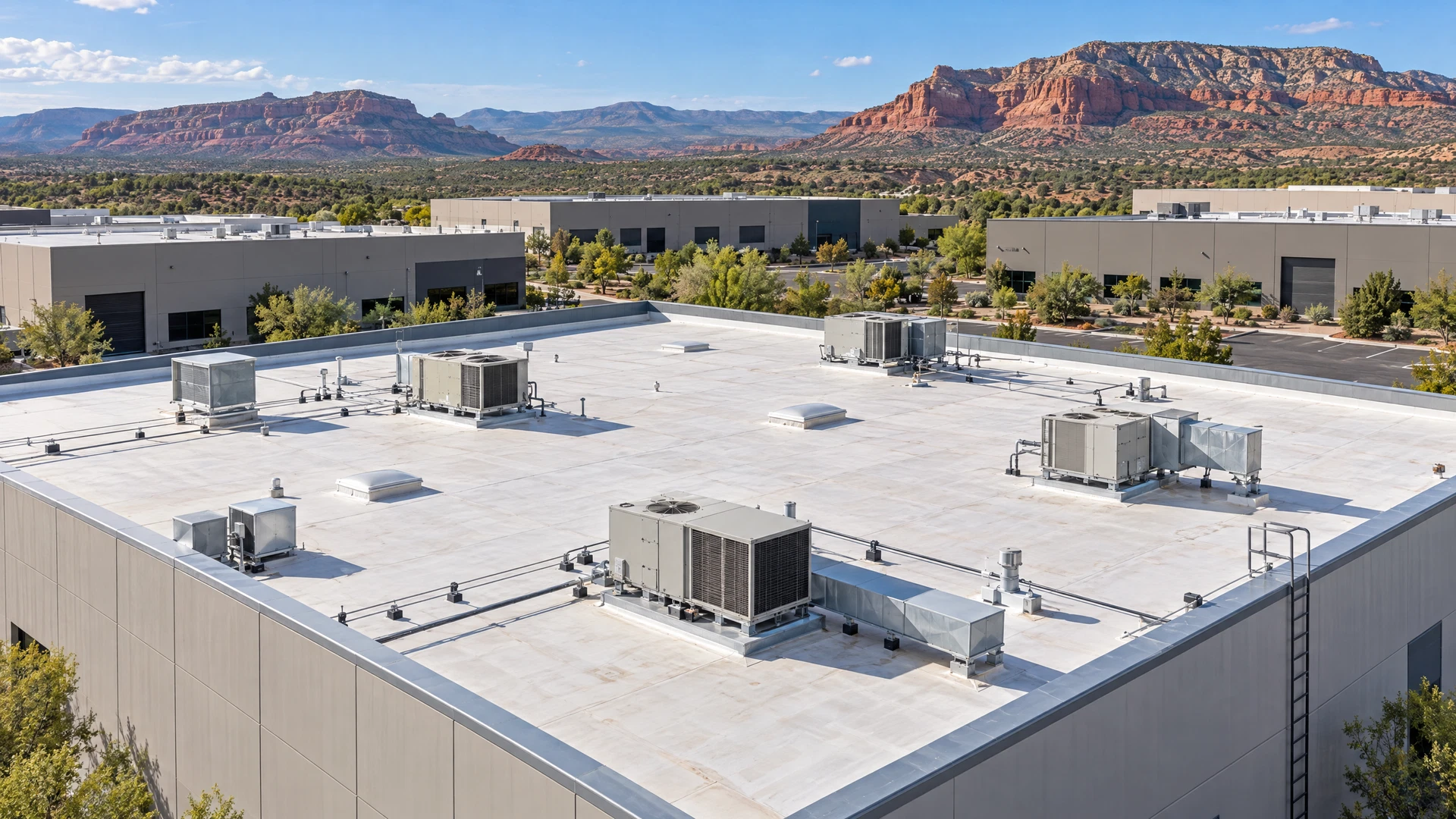
Plan Sedona roof coating around the equipment below it. A Sedona commercial roof is also a working route for equipment service, staging, and material movement. HVAC units, exhaust systems, access paths, stored materials, and daily building activity all shape the job. Cottonwood Roof Coating helps Sedona property owners plan roof coating work around rooftop equipment, defined staging areas, and controlled movement of people and materials.

Commercial roof planning image for Sedona properties

A roof is also a working surface

A commercial roof carries equipment, service routes, drains, curbs, penetrations, and materials that have to move during the work. Those conditions shape access and preparation. A coating scope should show where crews can walk, where materials can be staged, and which equipment needs protection or temporary coordination.

Before recommending a system, we inspect the existing roof assembly and the details around it. We look at roof condition, seams, fasteners, penetrations, drainage, moisture, surface cleanliness, and areas that may need repair. The review also identifies equipment that can affect access, overspray control, masking, and safe movement across the roof.

That planning matters for building owners and facility managers who have to keep a site organized while roof work takes place. A defined material route can reduce traffic across finished areas. A defined staging location keeps tools, containers, and supplies away from drains and service paths.

Commercial roof planning context for Sedona

Benefits of Coating Your Roof

Equipment-aware access planning

Rooftop units, vents, exhaust fans, pipes, curbs, and service clearances influence where a crew can work. We account for those obstacles when reviewing access, masking, detail work, and movement across the roof surface.

Defined staging areas

Coating materials and preparation equipment need a place that supports the work and keeps drains, penetrations, and maintenance paths clear. Planning the staging area early gives the crew a clear starting point and gives facility staff a point to monitor.

Controlled material movement

Pails, tools, hoses, protective coverings, and repair materials should follow an agreed route. A controlled movement plan helps limit avoidable contact with finished surfaces, equipment, occupied areas, and access points.

A scope built from roof conditions

A coating system depends on the existing substrate, moisture condition, repairs, adhesion, and product compatibility. Inspection-led planning keeps the roof decision connected to what the assembly can support.

Commercial Roof Coating Options for Sedona

Sedona coating planning begins with a roof map tied to the building's service routine. Before a system is selected, mark each rooftop unit, exhaust fan, curb, hatch, pipe run, drain, penetration, and the clearance needed to reach it. Then identify where a delivery can arrive, where containers can be staged without blocking drains or maintenance paths, and which route crews and materials will take between roof entry and each work zone. That record gives the owner or facility manager a practical scope: equipment that must remain accessible, surfaces that need masking or protection, and areas where carrying pails, hoses, or tools could create avoidable contact. It also separates a coating decision from a traffic decision; a roof may be a candidate in one zone while a tight service corridor needs different preparation or exclusion.

Within each zone, preparation follows what the crew will encounter around the equipment, not a preset product menu. Metal areas receive review of corrosion, fasteners, seams, panel movement, moisture, drainage, and finish compatibility before any coating-ready call. If silicone or acrylic is part of the scope, the record should show where moisture or trapped water was investigated, which repairs were completed, what adhesion or primer checks apply, and what weather window protects the application. Silicone does not solve drainage or active leaks, and acrylic does not make an incompatible or ponding condition acceptable. Those limits matter around curbs and penetrations, where a service route can cross the same detail that needs repair. Marking these boundaries on the work plan helps facility staff keep service personnel out of wet or unfinished areas and gives the owner a record of why one section proceeds while another waits.

Material movement and protection are part of the scope. Spray foam, if selected after system-specific review, needs a secure, dry substrate, selected primer, controlled application, and a plan to protect HVAC intakes and nearby equipment from overspray. That may change staging and sequencing: equipment requiring continuous access cannot simply be treated as an obstacle to work around. Installed asphalt shingles need a separate, narrow review with written manufacturer compatibility and applicable code checks; repair or replacement may be more appropriate than field-applied coating. For every chosen path, maintain a simple zone record: entry and staging point, equipment clearance, preparation status, restricted route, product or system decision, and closeout observations at drains, penetrations, and service edges. In Sedona, that record lets the facility manager hand the work plan to operations staff and know which paths stay open as crews move across the roof.

What Happens Next?

  1. 01

    Inspect Your Roof

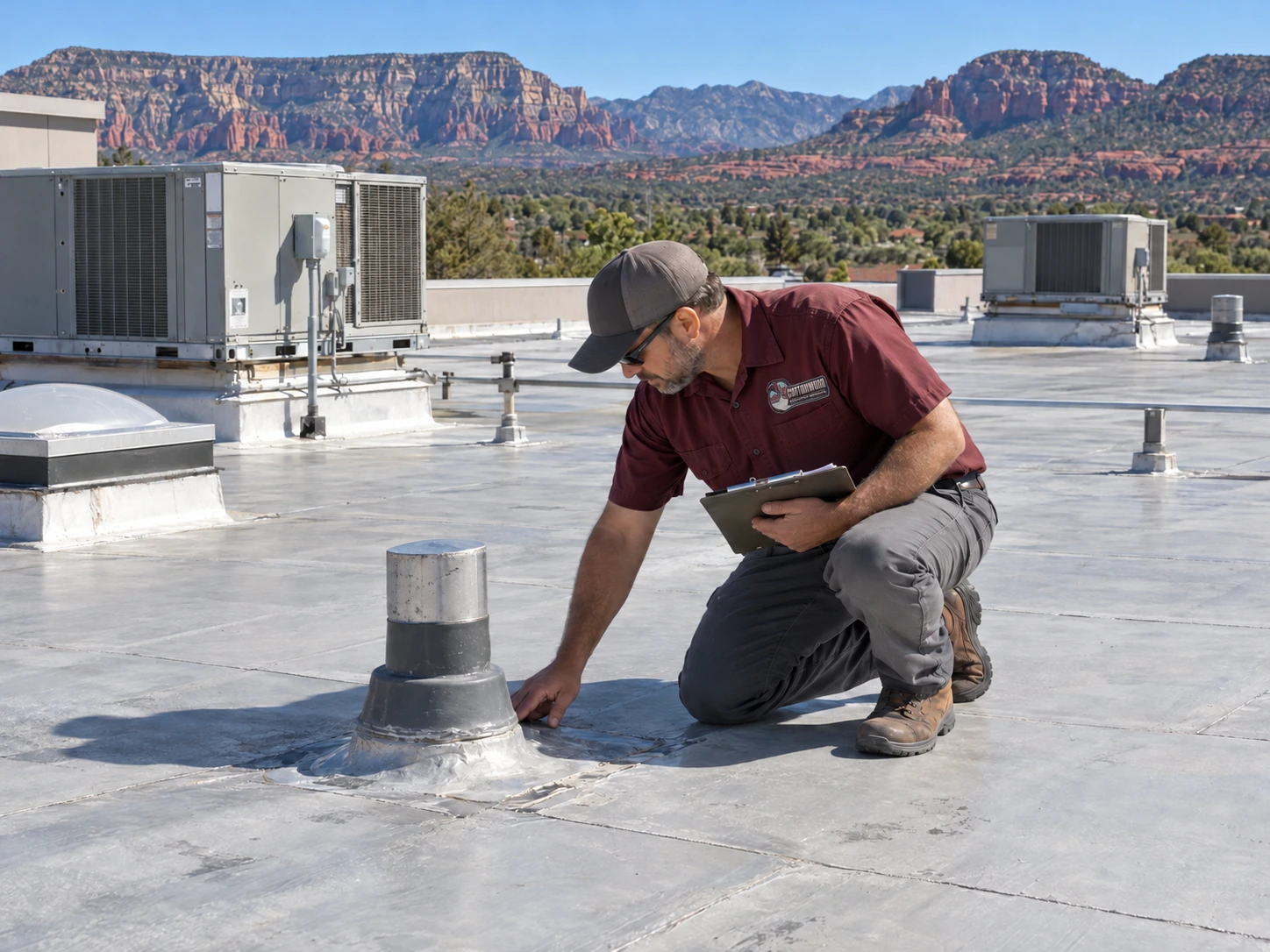
    We inspect the roof surface and the details that affect coating work. That includes the substrate, seams, fasteners, penetrations, curbs, drains, moisture indicators, existing repairs, rooftop equipment, service clearances, and potential access routes. We record conditions that can affect staging, masking, material handling, or system choice.

  2. 02

    Mark Equipment and Movement Zones

    Next, we identify the equipment and roof areas that need special handling. We look at where materials can arrive, where supplies can be staged, how crews can reach work areas, and which HVAC or electrical components require protection. Drain paths and maintenance access stay visible in the plan.

  3. 03

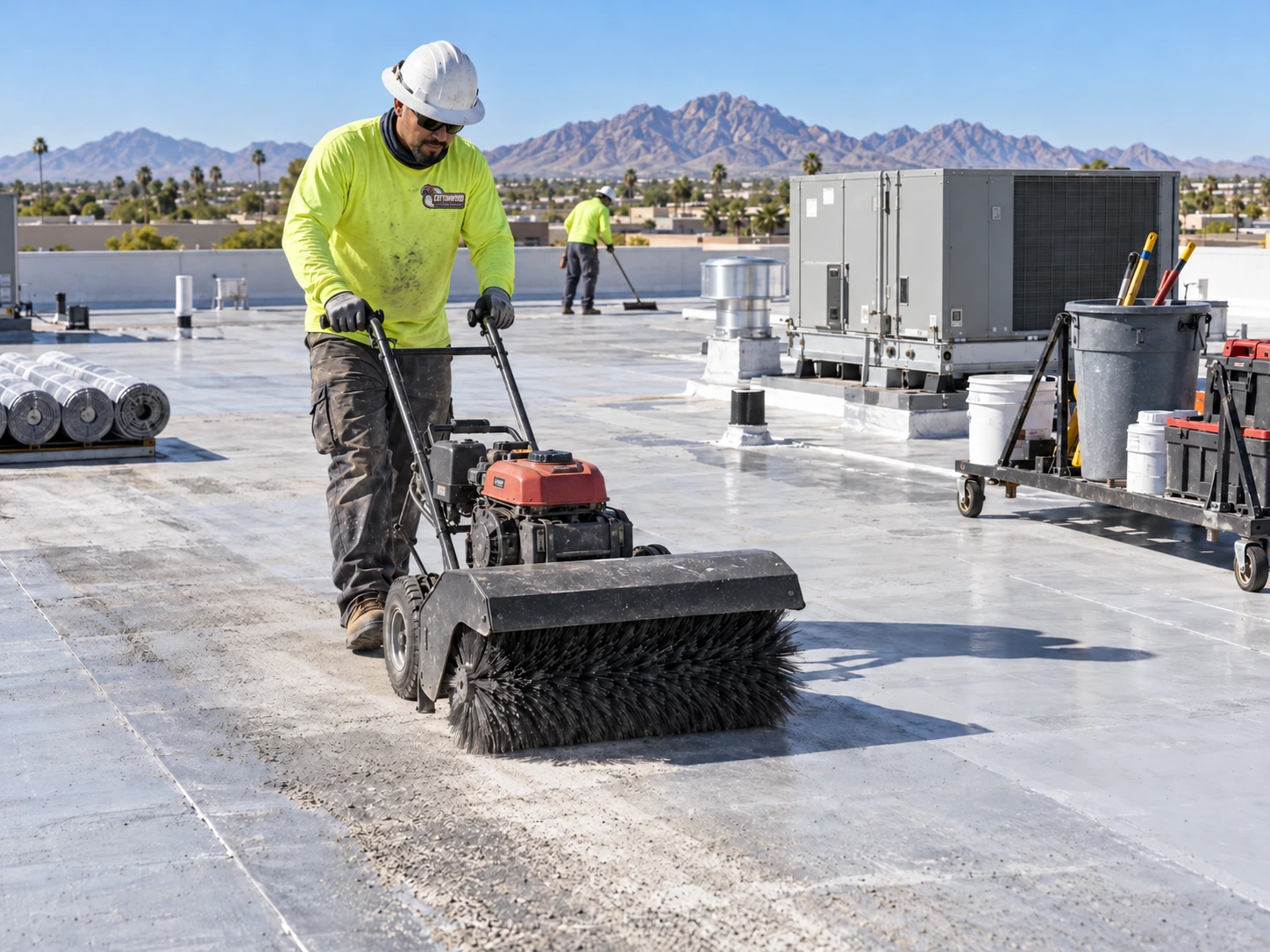
    Prepare the Roof and Details

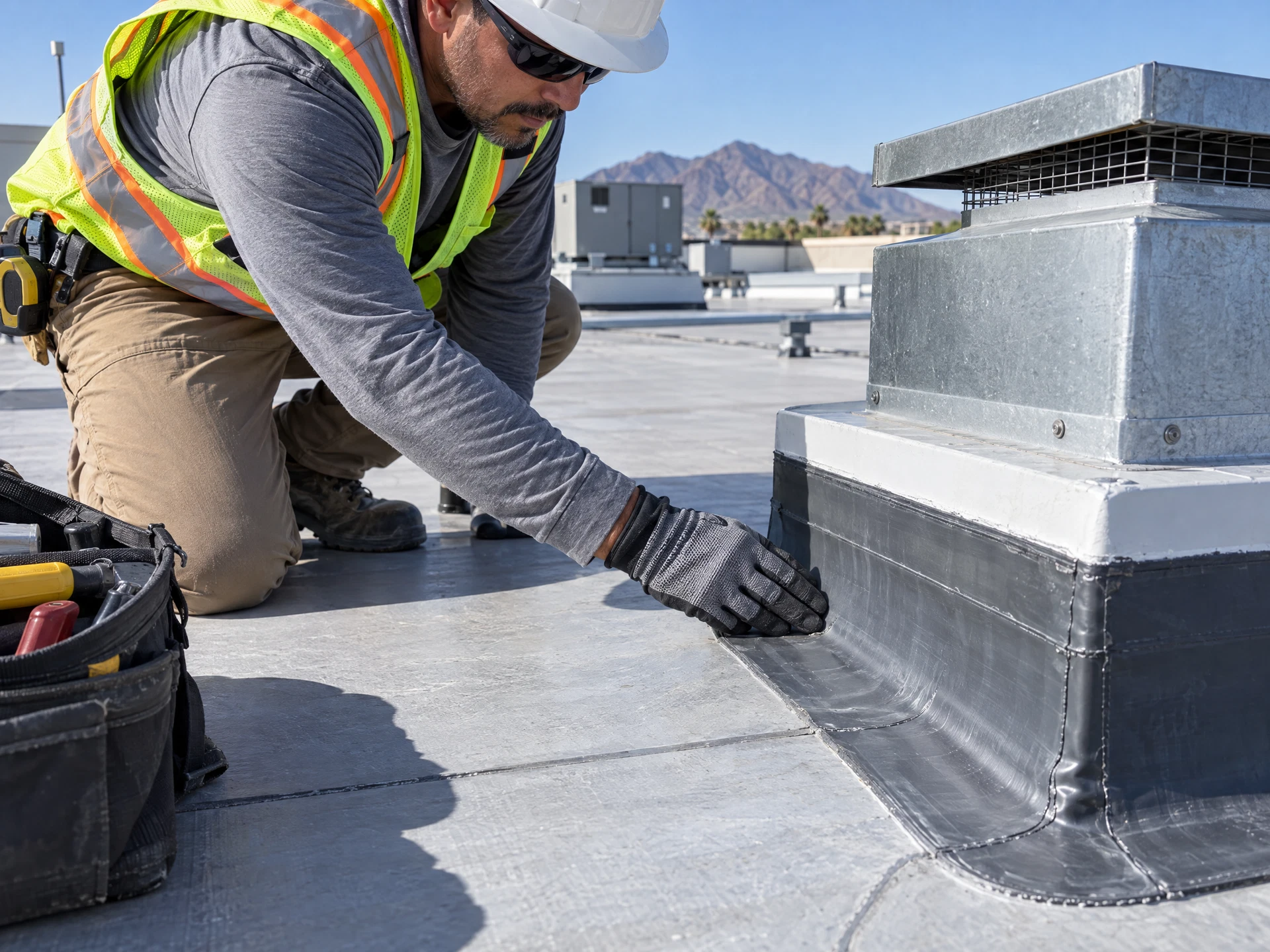
    Preparation follows the selected system and the inspected conditions. Work may include cleaning, drying, repairing defects, treating seams and fasteners, addressing detail transitions, masking equipment, and confirming primer or adhesion requirements. A coating covers a prepared, compatible surface; it does not replace needed repair or moisture control.

  4. 04

    Apply with Site Controls

    Application is sequenced around equipment, staging, weather, access, and the building’s operating needs. We control material movement and protect nearby areas identified during planning. Spray work requires particular attention to overspray and HVAC protection. Each system is applied according to its product and substrate requirements.

  5. 05

    Review the Finished Areas

    After application, we review covered areas, transitions, penetrations, drains, equipment clearances, and visible detail work. We identify maintenance paths and conditions the building team should continue to watch.

Commercial roof surface preparation steps

Keep the roof plan connected to the building plan

Technician inspecting a commercial roof detail

Start by listing rooftop equipment that needs regular service. Include HVAC units, exhaust equipment, electrical components, pipes, access hatches, and items that shape a walking route. That list helps establish where a crew can work and where service access must remain open.

Then define how materials and people will reach the roof. Identify loading or delivery points, hoisting limits, roof entry, interior paths, occupied areas, and a suitable staging location. The right route depends on the property. The important point is to settle the route before containers and tools begin moving across the site.

Finally, align the work sequence with building operations. Facility managers can identify service windows, sensitive equipment, restricted areas, and daily activities that affect access. We use those details with the roof inspection to set preparation, protection, application, and review steps that fit the site conditions.

Sedona Commercial Roof Questions

How do I know whether my Sedona commercial roof is a fit for coating?

A roof coating review starts with the existing assembly and its condition. We inspect the substrate, seams, fasteners, penetrations, drainage, moisture, existing repairs, and rooftop equipment. The roof needs a compatible, prepared surface that can support the selected system. Some areas may need repair, drying, compatibility review, or another roofing decision before coating is considered.

What roof conditions need attention before coating work starts?

The roof should be clean, dry, secure, and repaired according to the system requirements. Active leaks, trapped moisture, deteriorated materials, poor adhesion, unresolved detail defects, drainage concerns, or incompatible finishes can change the scope. We identify those conditions during inspection and address the preparation sequence before application.

How do you choose between metal, silicone, acrylic, spray foam, or shingle coating work?

System choice follows the roof assembly, substrate condition, moisture findings, surface preparation, product compatibility, and application requirements. Metal roofs need review of corrosion, seams, fasteners, panel movement, and finish. Silicone and acrylic require compatible, prepared substrates. Spray foam requires a clean, dry, secure base and overspray controls. Installed asphalt shingles require manufacturer compatibility and code review, with repair or replacement sometimes more appropriate.

How should a building plan for rooftop equipment and staging?

Give the roof team a current equipment list, service-access requirements, roof entry points, delivery or hoisting constraints, occupied-area concerns, and preferred work windows. Together, those details help define staging, material routes, masking, HVAC protection, and clear paths around drains and penetrations. The plan should preserve access for building operations during each work phase.

Commercial Roof Planning

Plan your Sedona commercial roof work around the equipment on it

For Sedona commercial properties, begin with rooftop equipment, staging, and controlled material movement. Use the estimate path for an initial planning range or call to discuss the building and roof conditions directly.

Call Us(928) 436-4821