A Clear Fit Decision
You get a roof-specific answer about whether a field treatment belongs on the installed shingle assembly. The review separates a possible coating candidate from a roof that needs another scope.
Commercial Roof System
Shingle Roof Coating Starts With a Roof Fit Review. Field-applied coating is not a default answer for an installed asphalt shingle roof. Cottonwood Roof Coating reviews the roof assembly, checks written shingle-manufacturer compatibility, and considers applicable code requirements before discussing treatment. If the roof is damaged, unsuitable, or beyond a responsible repair scope, repair or replacement may be the better commercial plan.
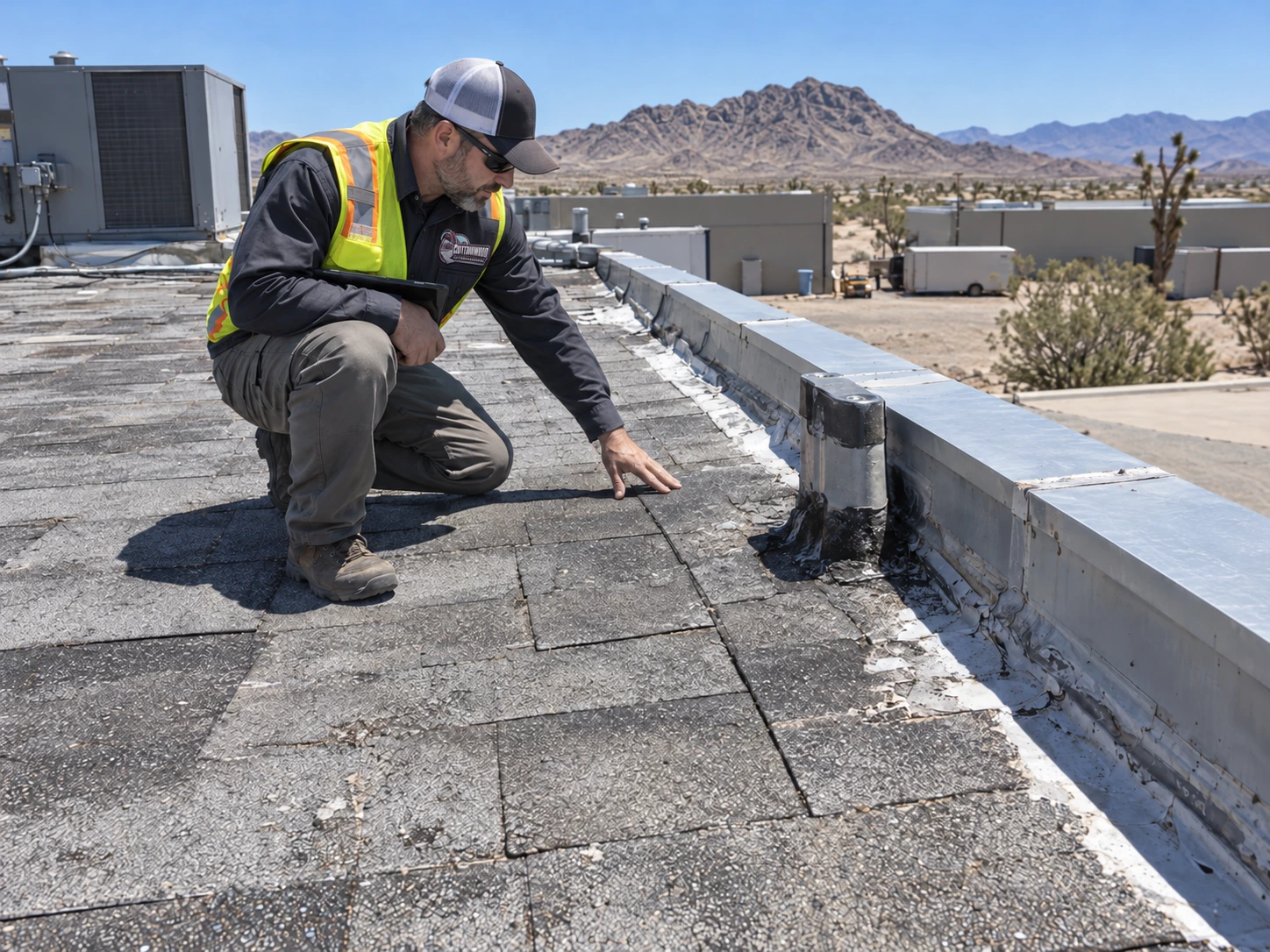
Commercial property owners and facility managers often ask whether a coating can postpone a larger roof project. With asphalt shingles, that question needs a tighter review than a standard coating discussion. The shingle type, age and condition, existing details, roof slope, ventilation, and prior repairs all affect whether a field-applied product belongs on the assembly.
Our first task is to identify what is actually installed and what condition it is in. We look for missing, lifted, cracked, curled, or deteriorated shingles, exposed underlayment, damaged flashings, soft areas, and signs that water has moved below the visible roof surface. A coating cannot be used as a substitute for correcting defects that require repair or replacement.
Manufacturer documentation matters because a product that adheres to one roof surface may be unsuitable for another. We seek written compatibility information for the installed shingles and review the proposed system against applicable building-code requirements. The result is a defined decision: pursue a documented treatment path, repair specific defects and reassess, or plan for replacement.
That discipline helps keep a commercial roof decision tied to the actual building. It also gives owners a usable scope for budgeting, maintenance coordination, tenant communication, and future inspections. Shingle Roof Coating is considered only when the roof fit, condition, documentation, and project controls support it.
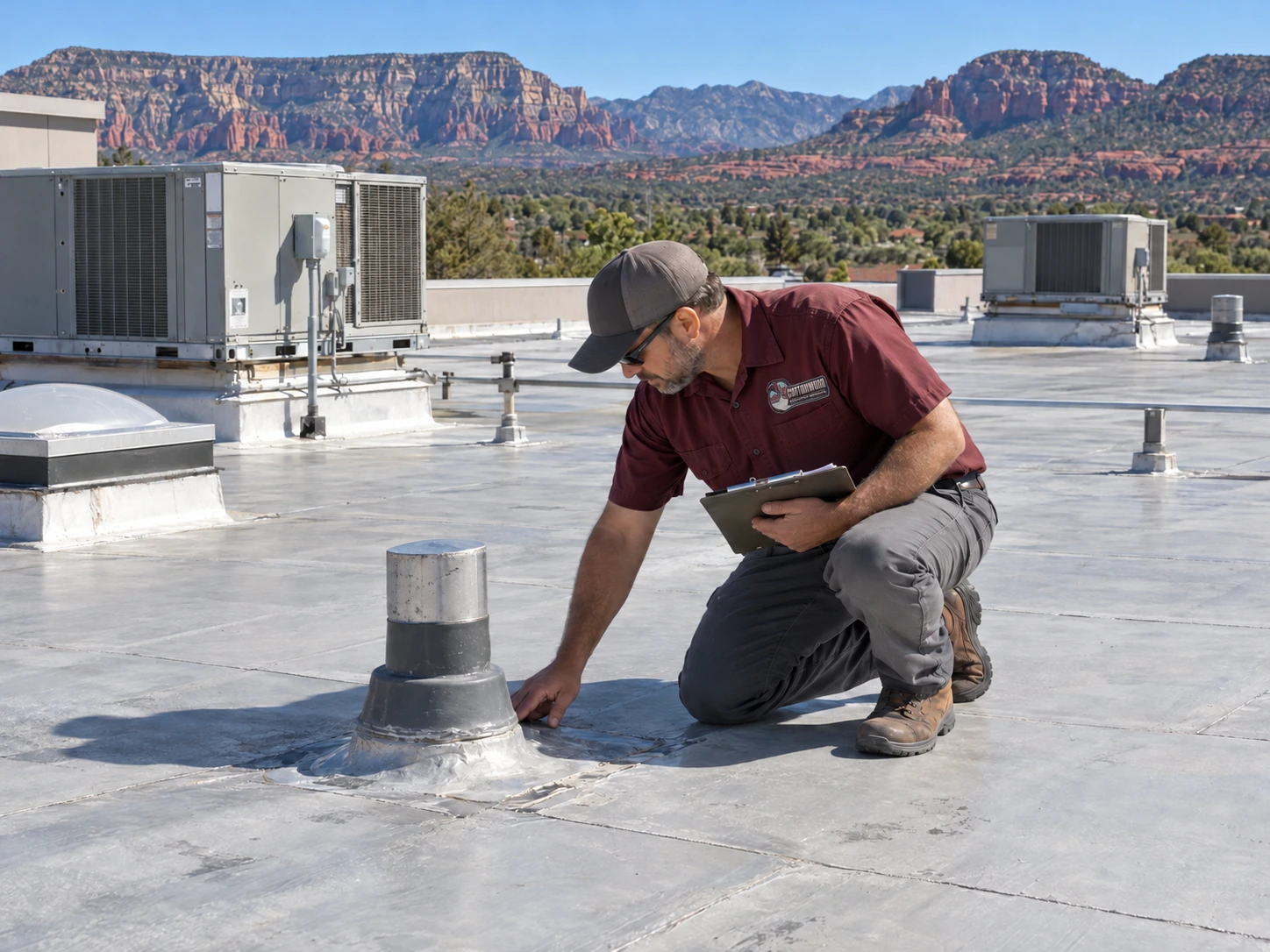
You get a roof-specific answer about whether a field treatment belongs on the installed shingle assembly. The review separates a possible coating candidate from a roof that needs another scope.
Written shingle-manufacturer compatibility is treated as a required checkpoint. That keeps product selection tied to the actual roof materials instead of a generic coating recommendation.
Missing shingles, failed flashing, soft areas, moisture concerns, and other observed conditions remain repair items. A treatment discussion does not erase work the roof still needs.
The decision can be organized around access, occupied areas, rooftop equipment, maintenance timing, and the consequences of a repair or replacement scope. Owners can plan the roof work with the rest of the property.
A documented shingle treatment path is the narrowest option. It requires a roof assembly that is suitable for further review, written manufacturer compatibility for the specific shingles, an applicable-code check, and preparation requirements that can be met. Product chemistry, surface condition, attachment details, and application limits must be addressed in the system documentation. A generic coating selected from a product list does not establish that the roof is a candidate.
Repair and reassessment may be the right option when the roof has isolated defects but the wider assembly remains worth evaluating. Repairs may include replacing damaged shingles, correcting flashing details, addressing exposed components, or investigating moisture before any treatment is reconsidered. The repair scope has to be complete enough for the roof to be judged on its own condition, not on a temporary cover over an unresolved problem.
Replacement is often the more appropriate commercial option when deterioration is widespread, the assembly cannot be documented as compatible, water damage extends below the shingles, or required corrections exceed a sensible field-treatment scope. Replacement also deserves review when the existing roof cannot provide a reliable substrate for the proposed system. We keep that decision on the table from the beginning so the owner can compare practical scopes rather than force a coating into the wrong job.
We inspect the visible shingle field, ridges, valleys, edges, penetrations, flashings, drainage paths, and accessible roof details. The review records conditions that affect fit, repair needs, and safe access for the next decision.
We gather available roof records and identify the shingle type, related components, prior repairs, and any areas that differ from the main field. Where records are incomplete, that uncertainty becomes part of the decision rather than an assumption.
We request written compatibility information from the shingle manufacturer or applicable system documentation and review relevant code requirements. The proposed treatment must fit the roof materials, details, slope, and stated application limits before it advances.
We organize observed conditions into a practical scope. That may mean repairing defined defects and reassessing, proceeding with a documented treatment review, or moving toward replacement when the roof cannot support a responsible field application.
We outline access, staging, occupied-area controls, rooftop equipment concerns, preparation, and timing for the selected scope. The plan gives the owner a clear basis for coordinating roof work with normal facility operations.
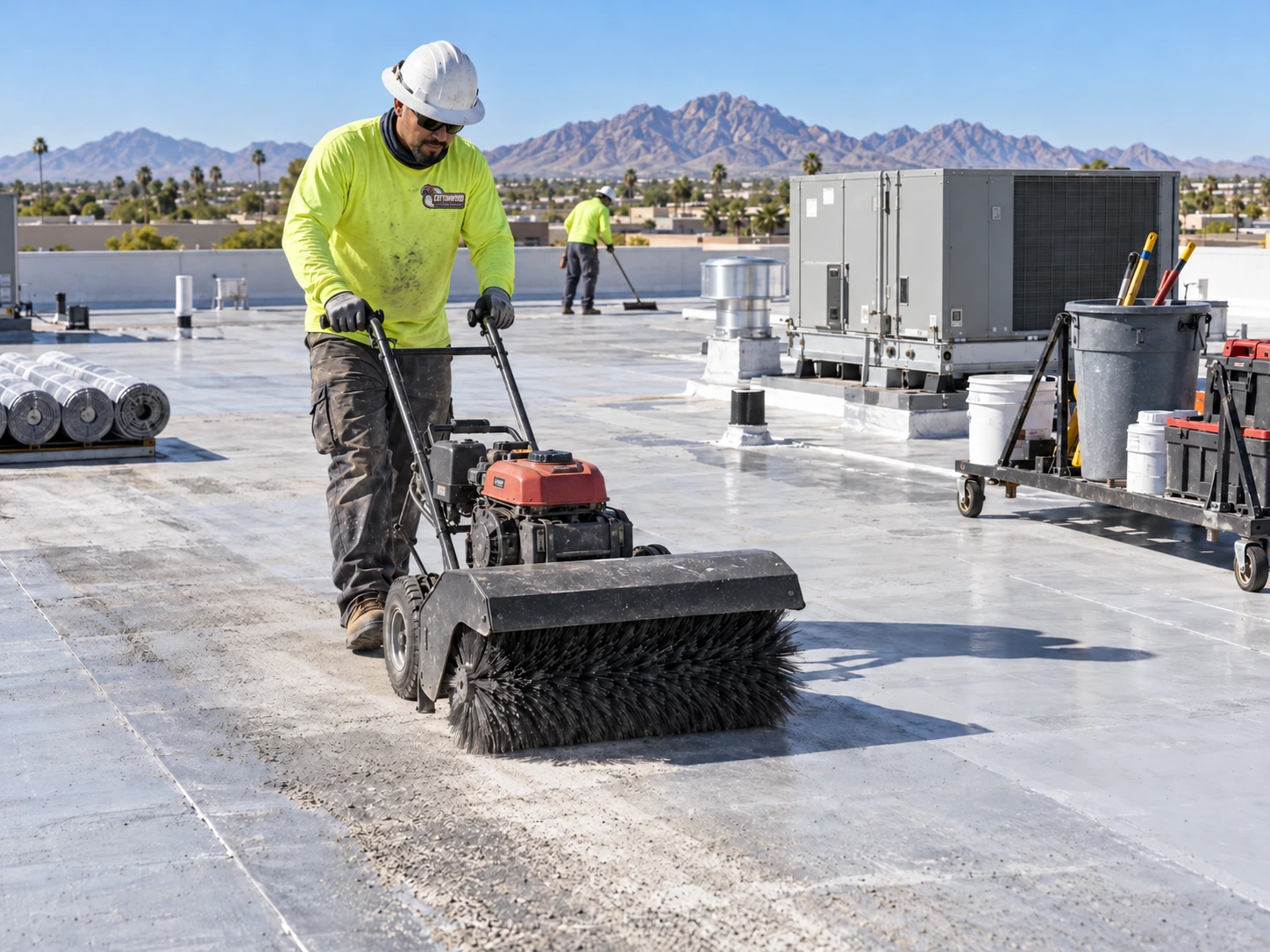
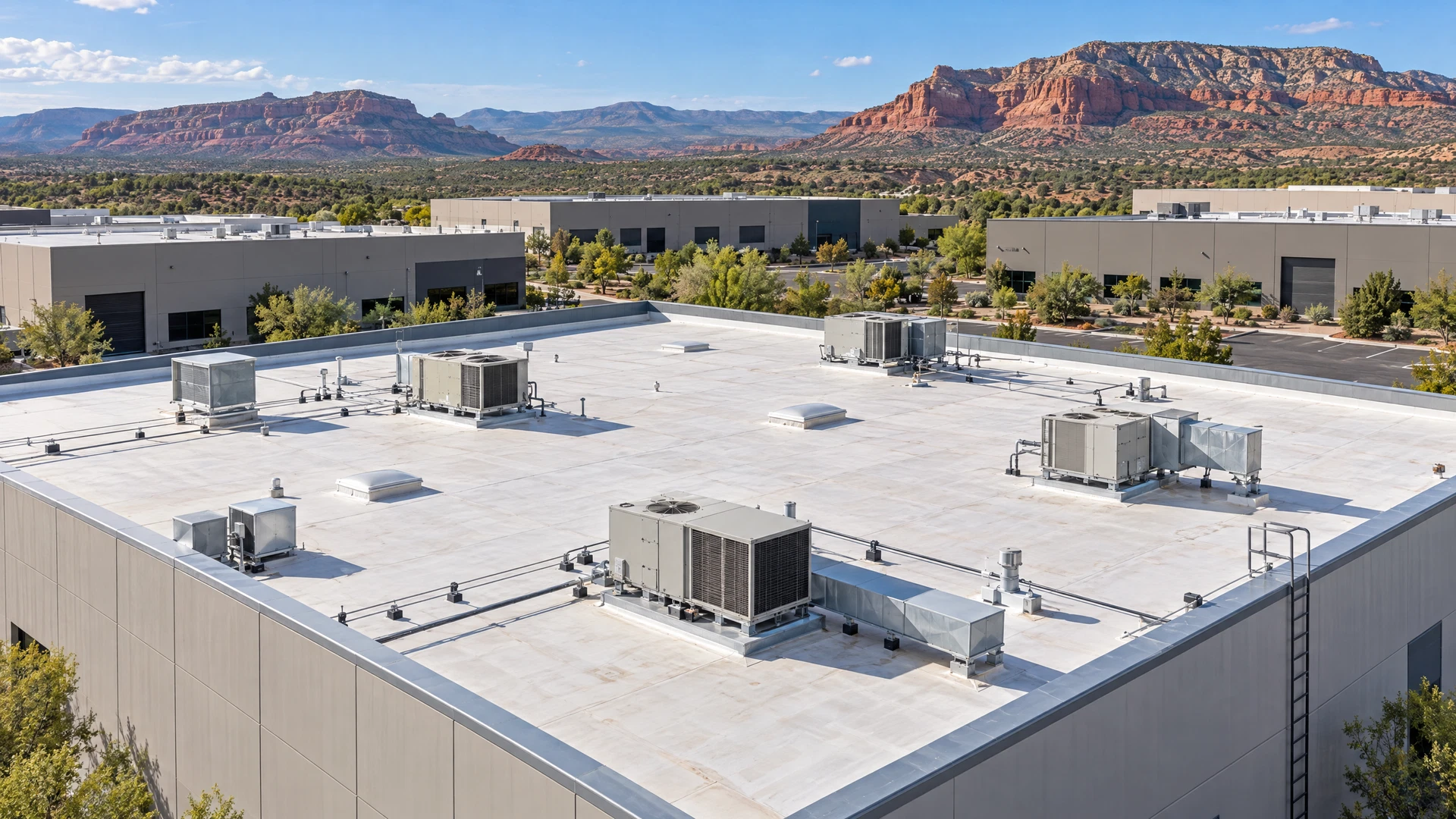
A commercial shingle roof can look serviceable from the ground while details at valleys, penetrations, eaves, and transitions require a different scope. Share inspection reports, maintenance notes, repair invoices, roof plans, and product records when they are available. These documents help establish what has been repaired, what remains uncertain, and which compatibility questions need written answers.
Building use also belongs in the review. Coordinate roof access with occupants, deliveries, security procedures, and rooftop equipment. Identify areas where work could affect entrances, air intakes, mechanical service, stored materials, or scheduled operations. The correct roof scope still has to be workable on an occupied commercial property.
Budget planning should keep the alternatives visible. A narrow treatment review, a repair-and-reassess scope, and a replacement plan carry different preparation, scheduling, and documentation needs. We can help define those paths from the inspection findings so the owner is deciding from roof conditions and system requirements rather than from a blanket promise about coating.
That section may need to be repaired or replaced before the rest of the roof is restored. A roof does not always have to be treated as all-or-nothing. We look at how much damage exists and whether the remaining roof can still be kept in service.
It depends on what was used and whether it is still attached. Some repair materials may need removal, cleaning, or a compatible primer. We do not assume that every old patch can simply be buried under another coating.
No. Fit depends on the installed shingle assembly, condition, slope and details, available manufacturer compatibility information, and applicable code requirements. A roof with widespread deterioration, unresolved water damage, or undocumented materials may be better suited to repair or replacement.
The roof needs a condition review for damaged or missing shingles, lifted or curled areas, failed flashings, exposed underlayment, soft areas, moisture concerns, and other defects. Treatment should not be used to cover conditions that require correction or a different roof scope.
Commercial Roof Planning
Shingle Roof Coating decisions for Cottonwood properties begin with a narrow inspection gate for commercial shingle roofs, with manufacturer compatibility and code review before any field treatment; repair or replacement may be the better scope. Use the estimate path for an initial planning range or call to discuss the roof directly.