Separate the Symptom from the Cause
Inspection notes connect visible signs to roof details that need attention. Owners can distinguish a localized repair, a broader preparation need, and a coating question before work is scheduled.

Commercial Roof Coating Service Area
Plan Camp Verde Roof Coating Around the Building, Not Just the Symptom. A ceiling stain, loose fastener, ponding mark, or worn roof surface tells you where to look. It does not define the full job. Cottonwood Roof Coating helps commercial property owners and facility managers separate visible symptoms from roof condition, repair scope, coating readiness, and the building schedule.
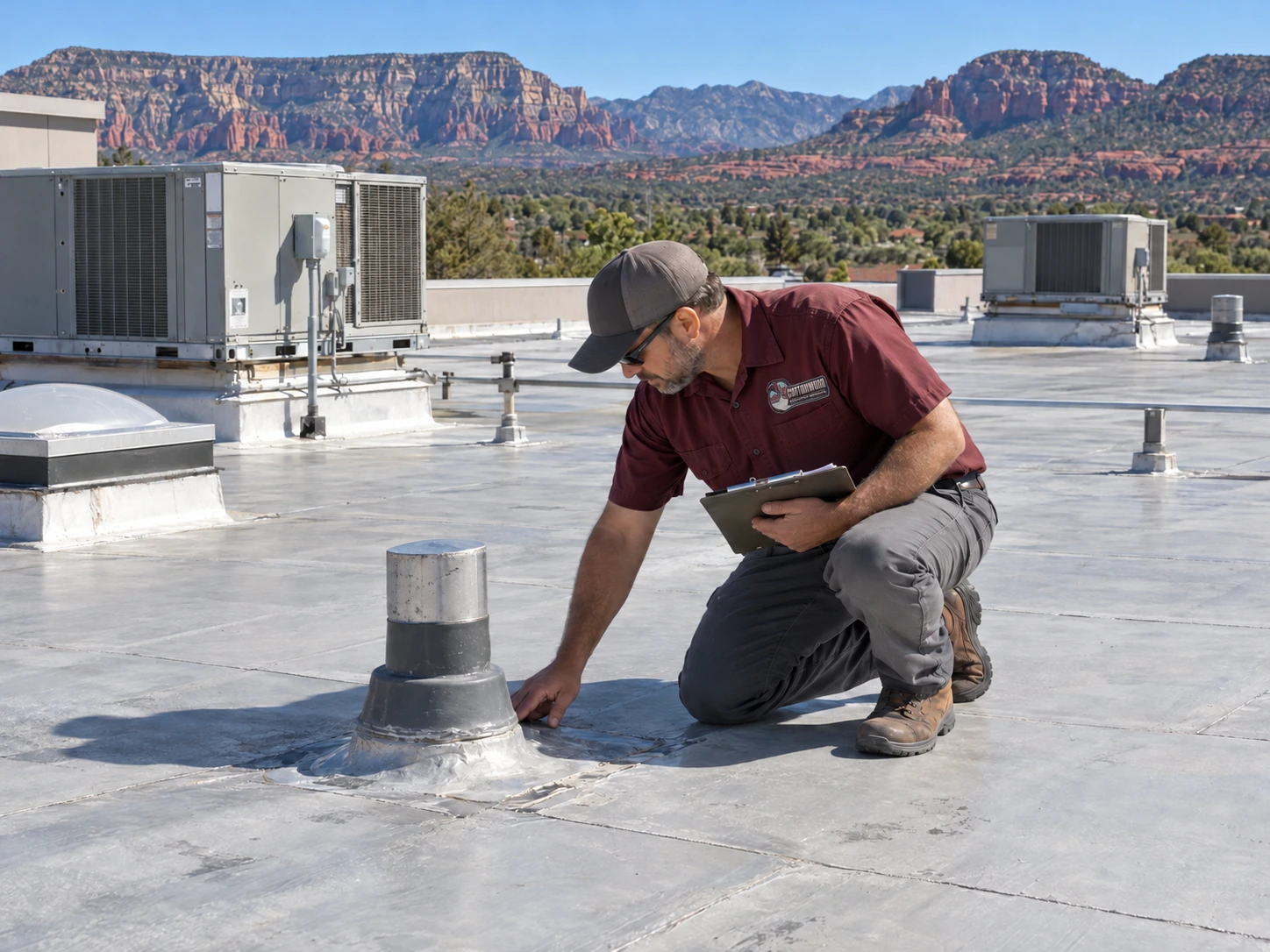
Commercial roof decisions get harder when one visible problem is treated as the entire scope. A leak report may lead to a seam, penetration, fastener, flashing, drainage, or substrate issue. A faded surface may need a closer review of adhesion and existing finish. The roof must be inspected as an assembly before a coating system or repair sequence is selected.
For a Camp Verde property, the useful question is what work the roof and the building can support at the same time. The inspection should identify areas that can be repaired and prepared, areas that need further investigation, and areas where coating is not the right next step. That separation gives owners a clearer basis for scheduling work and communicating with occupants, vendors, and maintenance staff.
Cottonwood Roof Coating works from the conditions found on the roof. The scope should account for substrate dryness, existing materials, seams, penetrations, fasteners, drainage, access, and application requirements. It should also show where preparation ends and coating begins. A defined boundary helps prevent a symptom discovered in one area from quietly expanding the job everywhere else.
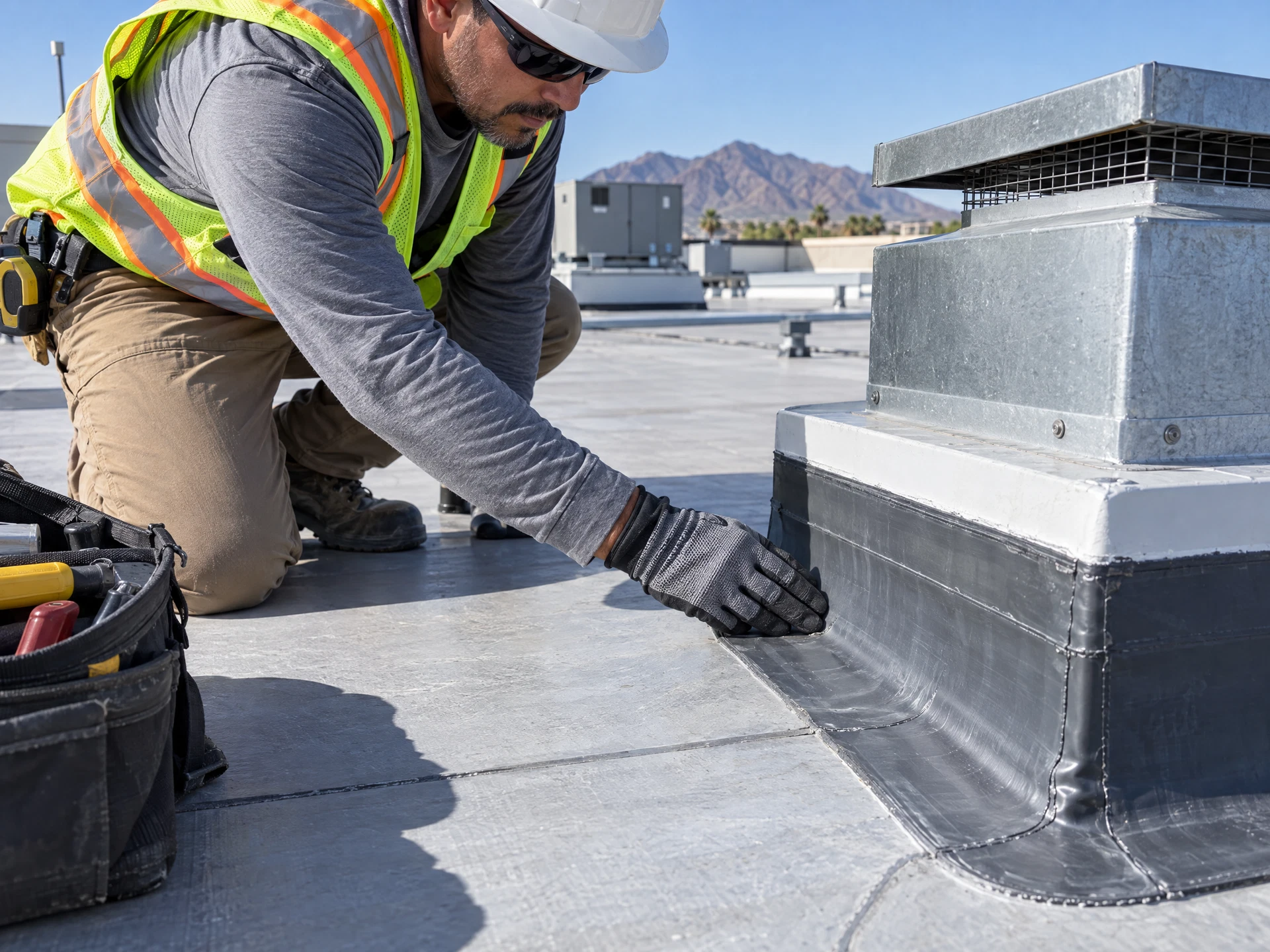
Inspection notes connect visible signs to roof details that need attention. Owners can distinguish a localized repair, a broader preparation need, and a coating question before work is scheduled.
A commercial roof scope should identify repairs, cleaning, drying, adhesion checks, detail work, and coating areas. That gives facility managers a practical sequence instead of a surface-only description.
Roof access, occupied areas, rooftop equipment, deliveries, and application conditions affect when work can proceed. Planning those constraints early makes the work window easier to manage.
Metal, low-slope membrane, asphaltic surfaces, and other assemblies raise different compatibility questions. System selection follows roof condition, existing finish, preparation, and manufacturer requirements.
In Camp Verde, a report is evidence to investigate, not a complete work order. When an occupant report or maintenance round identifies a ceiling stain, loose fastener, ponding mark, or worn surface, the field record should identify the roof area, date, interior effect, visible sign, and any temporary measure. Compare that record with seams, penetrations, flashings, drains, equipment curbs, fasteners, moisture indicators, and the existing finish. The comparison can show a localized repair, a condition requiring further investigation, an area needing preparation, or a candidate for coating. It gives commercial owners and facility managers something more useful than a symptom label when they need to authorize access or explain why one roof section is scheduled while another remains outside scope. The practical Camp Verde discipline is a traceable line from report to observation to decision, without letting the most recent complaint define the whole roof.
Once that condition map exists, fit the work to the building's operating calendar. In Camp Verde, owners can set a work window only after reviewing roof access, occupied areas, rooftop equipment, interior protection, deliveries, and movement below the work. Schedule preparation as its own work: repairs and detail work come before surface application, drying and adhesion checks need time to finish, and the plan needs a decision point if the substrate remains damp or the existing finish does not support the selected materials. For metal areas, the review may focus on panel movement, fastener and seam condition, corrosion, moisture, drainage, and finish compatibility. Silicone or acrylic may be considered only where the inspected assembly and product requirements support it, with system-specific testing and application conditions. This keeps a coating date from becoming a guess. Facility staff can see which prerequisites are complete, which areas are delayed, and whether a reported issue belongs in this scope or needs a separate repair plan.
The work boundary should also account for options that need a narrower gate. Spray foam roofing requires a secure, prepared substrate, selected primer, controlled application conditions, and protection for HVAC equipment and nearby surfaces from overspray; an existing roof should not be called recoverable until those conditions and system compatibility are established. Installed asphalt shingles call for written manufacturer compatibility and applicable code review before any field-applied coating is included, and repair or replacement may be more appropriate. In a Camp Verde scope, record these decisions beside the original symptom and the planned building date: what was observed, what was verified, what preparation is required, what can pause the crew, and what is excluded. That record lets an owner reschedule one part of the work without rewriting the whole project and gives the next facilities or maintenance review a clear starting point. The coating choice follows the verified roof condition and the building's available work window.
Start with the roof assembly and the reported symptoms. Review seams, fasteners, penetrations, flashings, drainage, surface condition, moisture indicators, and areas that may affect safe access or coating readiness.
Mark the difference between visible symptoms, confirmed defects, repair areas, preparation areas, and potential coating areas. This boundary keeps the scope tied to observed conditions rather than assumptions about the whole roof.
Confirm that surfaces can be cleaned, dried, repaired, and tested as required. Review existing finishes, substrate security, primers, detail materials, and manufacturer compatibility before choosing a system.
Coordinate roof access with occupants, facility staff, rooftop equipment, deliveries, and any areas that need protection. Sequence repairs, preparation, coating, curing, and inspection around actual site constraints.
Carry the inspection findings into a clear work sequence. Identify what happens first, what must be complete before coating, what conditions can pause application, and what areas remain outside the coating scope.
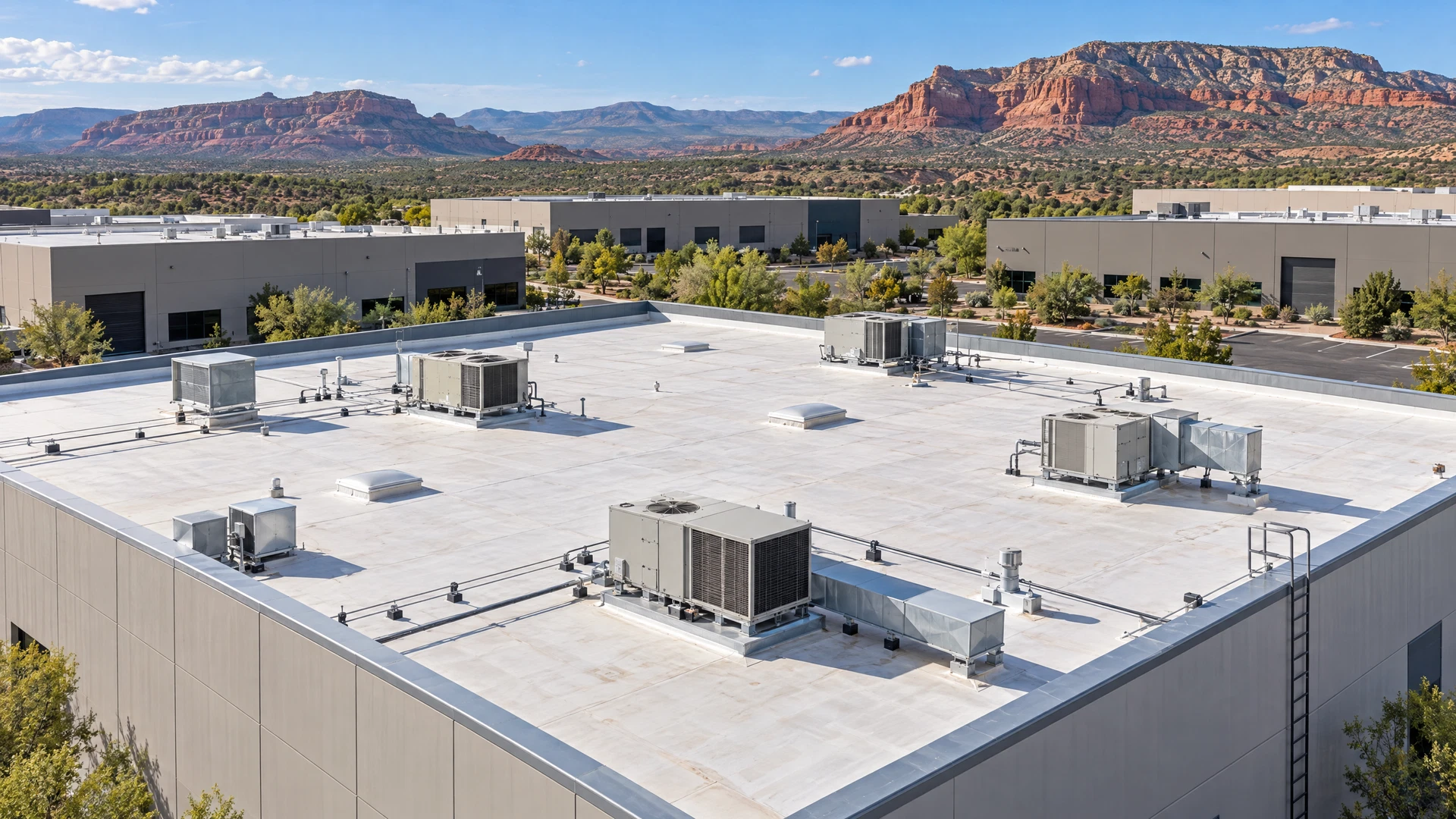
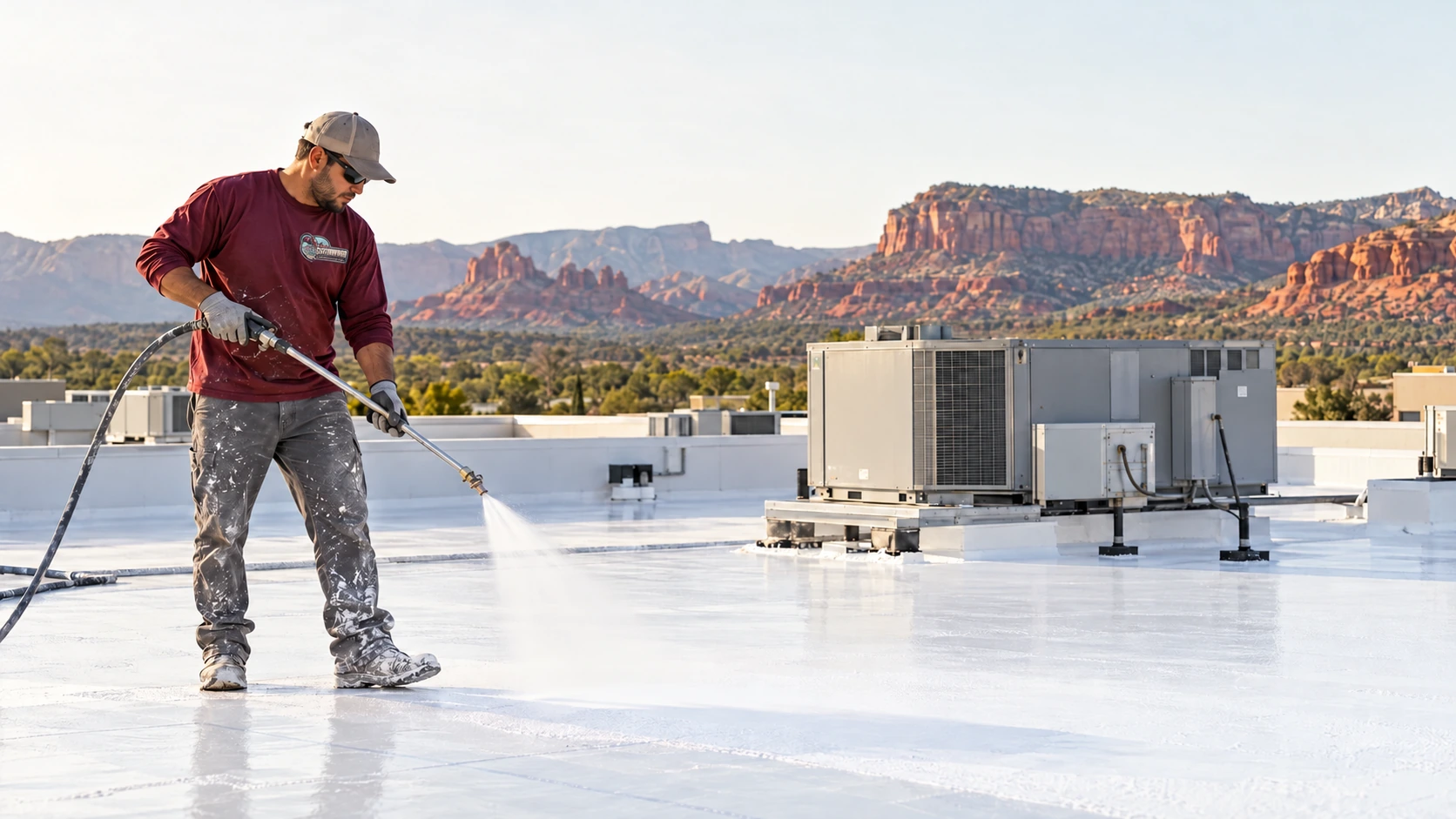
A roof project affects more than the roof surface. Facility managers may need to coordinate access, maintenance notices, rooftop equipment, interior protection, deliveries, and areas where people or vehicles move below the work. Those details belong in the planning conversation before a coating date is treated as fixed.
The schedule should follow the work sequence. Repairs and detail preparation come before coating. Cleaning and drying affect when adhesion checks can be completed. Application conditions and product requirements affect when a crew can proceed. If the roof is not ready or conditions change, the schedule needs a defined decision point rather than an improvised change to the scope.
Owners should also keep the symptom record with the roof record. Note where the concern was reported, what the inspection found, which repairs were identified, and which areas were considered for coating. That information helps the next maintenance conversation start with the roof's actual condition and the building's operating needs. A symptom log also helps prevent the schedule from being driven by the loudest report rather than the most important roof condition. Record the date, weather context if known, roof area, visible sign, indoor effect, and any temporary repair. During the field review, those notes can be compared with seams, penetrations, drains, equipment curbs, and the existing surface. The comparison helps establish where a small repair resolves the concern and where a wider condition review is justified before the building commits to a coating sequence.
Review the roof assembly, substrate condition, existing finish, seams, penetrations, drainage, moisture indicators, and repair needs first. A coating discussion follows that inspection. Areas with unresolved structural, water-intrusion, or compatibility concerns may require repair, further investigation, or replacement planning instead.
The roof generally needs to be clean, dry, repaired, and suitable for the selected system. Preparation can include cleaning, drying, detail work, moisture investigation, primer selection, and adhesion testing. The exact steps depend on the existing roof materials and the product requirements.
System choice follows the roof substrate, existing finish, slope and drainage conditions, moisture findings, repair status, application requirements, and manufacturer compatibility. Metal, silicone, acrylic, spray foam, and shingle-related work each require a different inspection boundary.
Set the work window after access, occupants, rooftop equipment, deliveries, protection needs, repair sequence, preparation, application conditions, and inspection points are reviewed. A defined sequence shows when the roof is ready and what site conditions could require a pause.
Commercial Roof Planning
For Camp Verde commercial properties, begin with separating roof symptoms from the scope and building schedule. Use the estimate path for an initial planning range or call to discuss the building and roof conditions directly.